
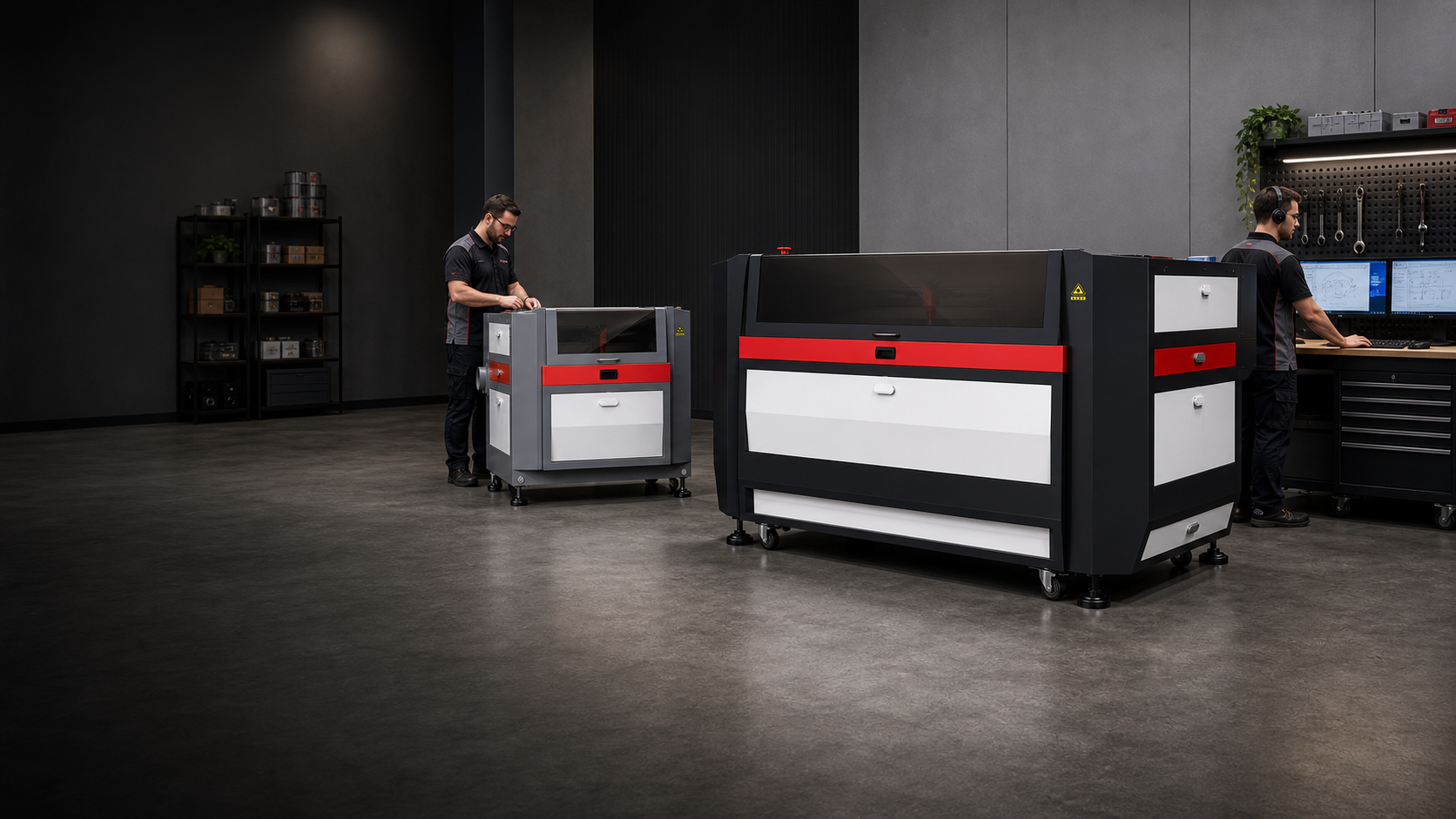
Applications Hub
Choosing the right laser depends primarily on the material being processed.
Each material has unique characteristics, and understanding them makes the difference in achieving the best result. Start with the category closest to your work — the cards below jump straight to that application.
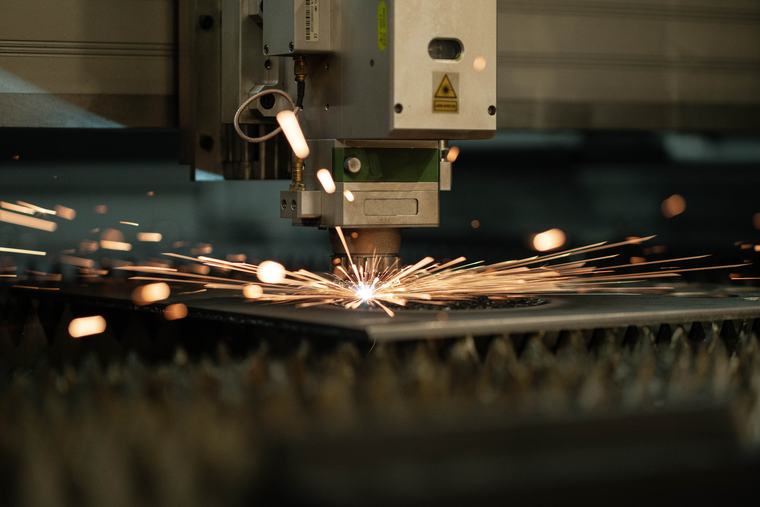


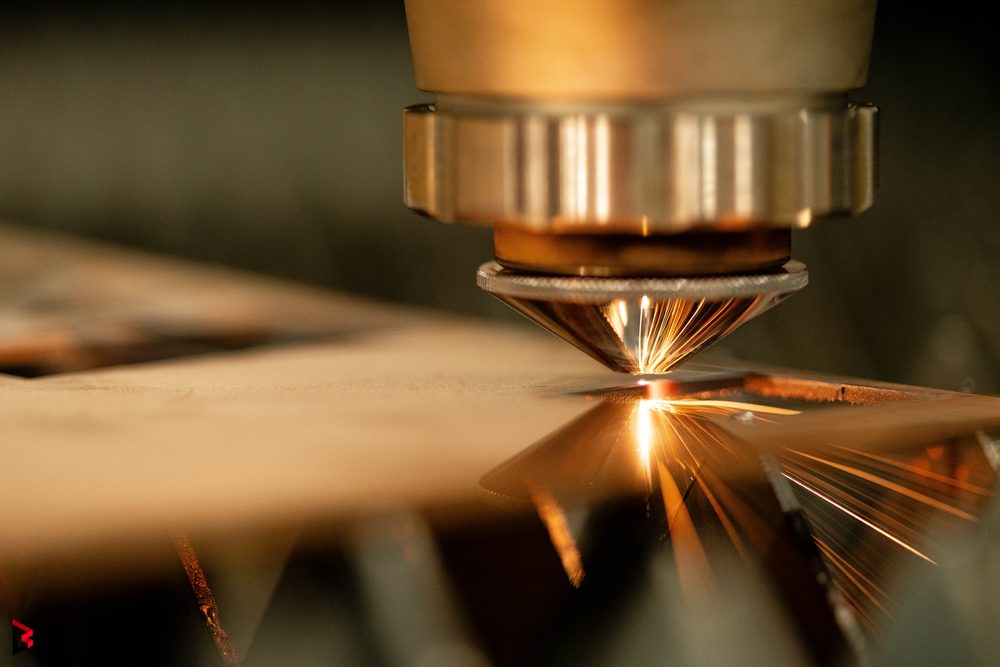
Find the right metal cutting path for your material, thickness, and production goals.
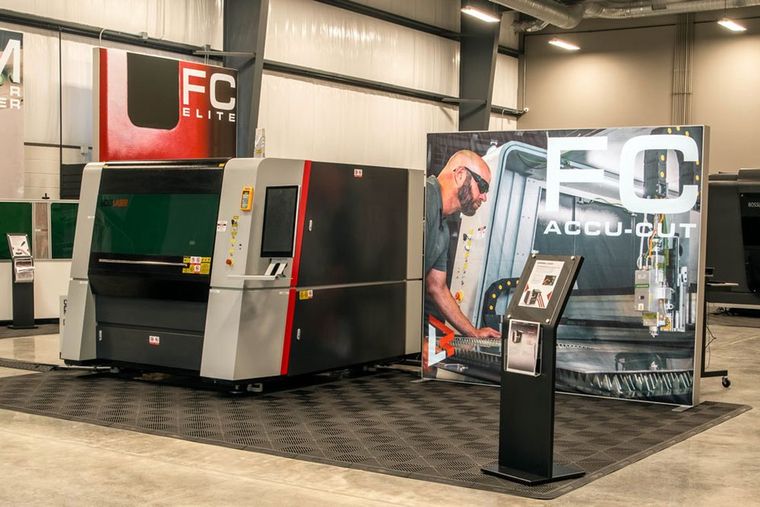
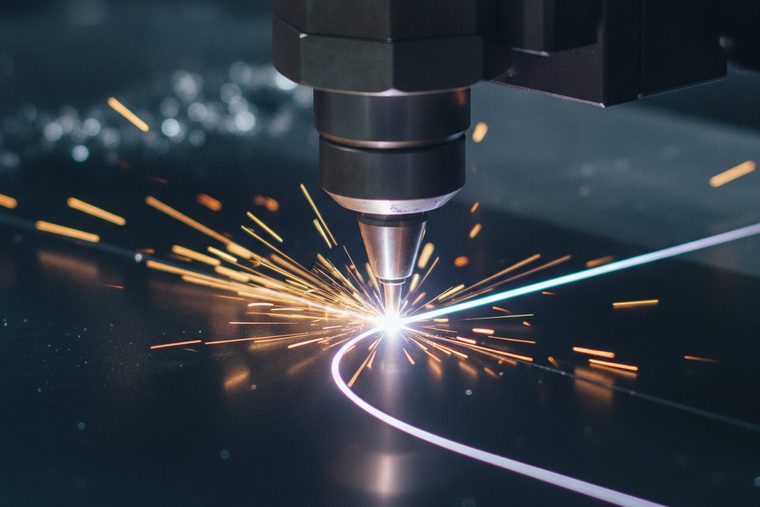
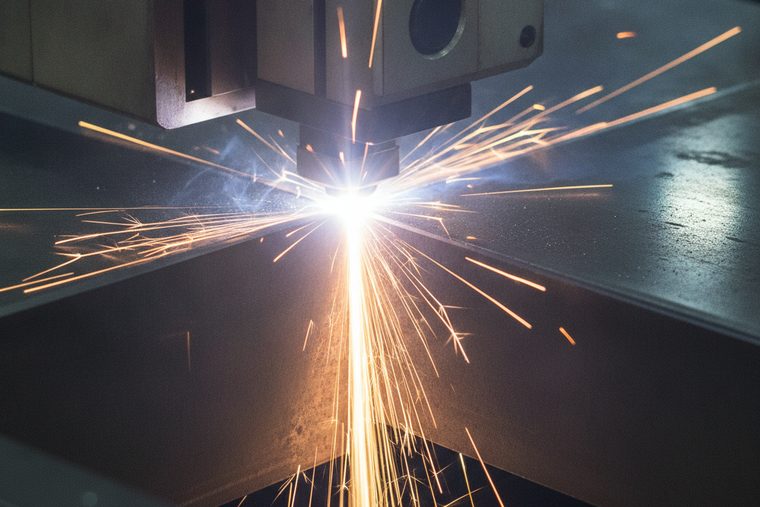
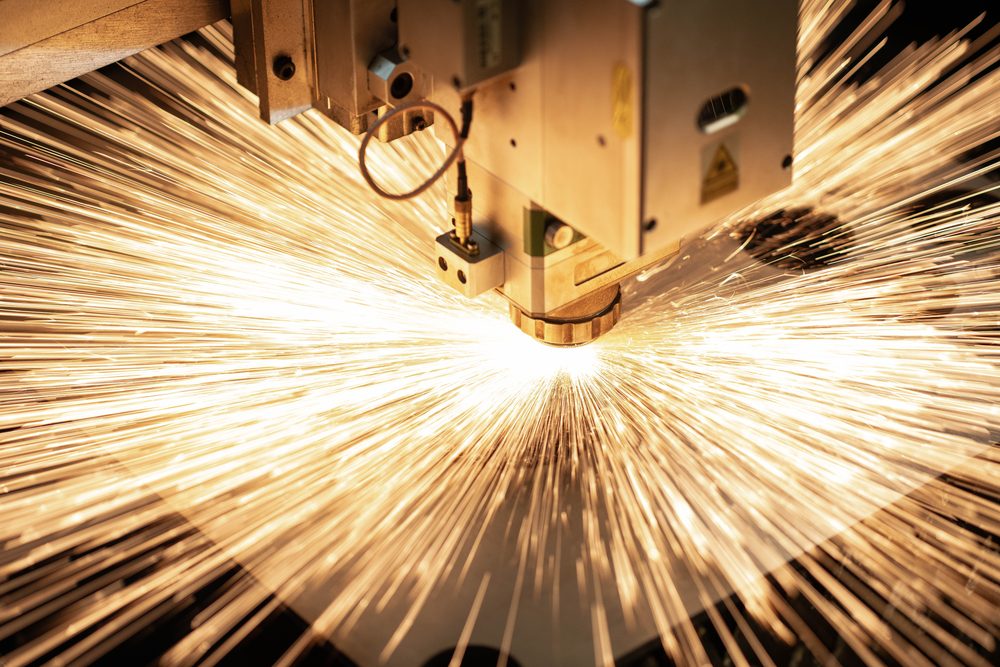
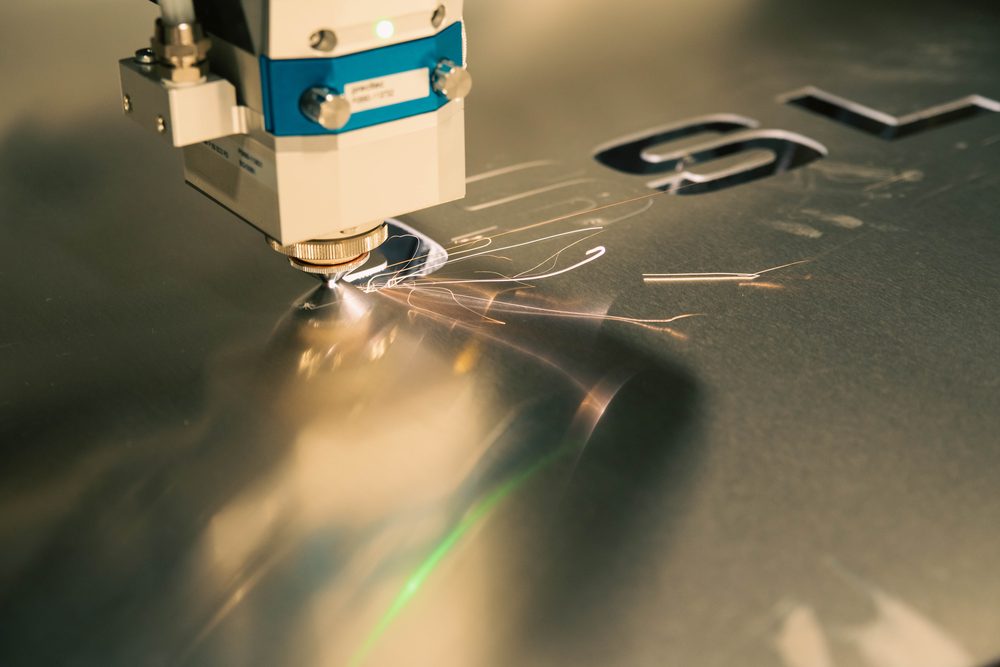
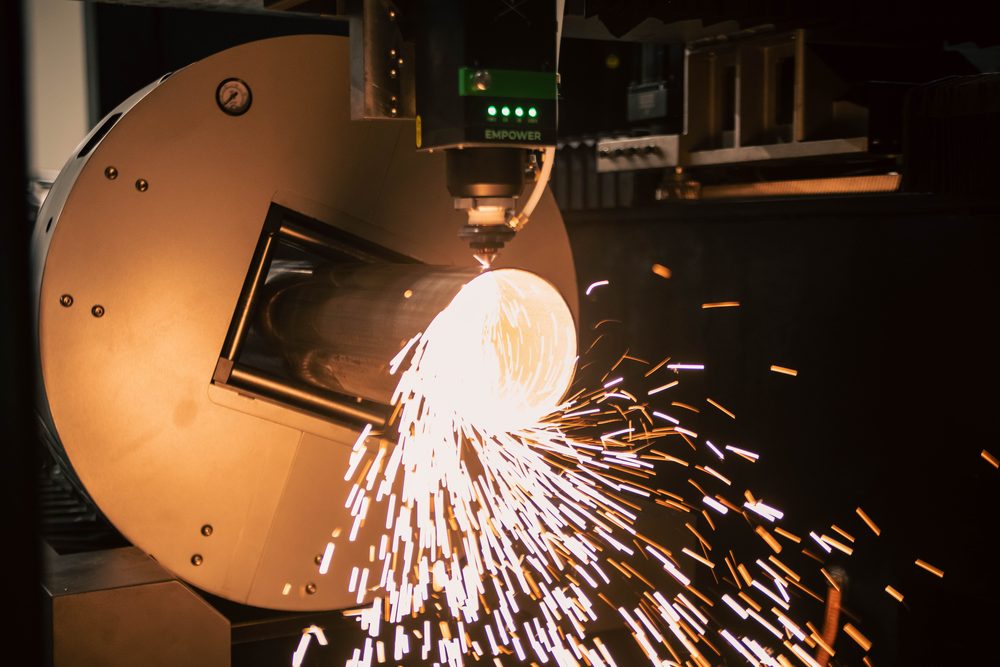
Fiber laser cutting is the primary choice for shops that need fast, repeatable metal fabrication. Match the laser, power, assist gas, and thickness range to your day-to-day production work.
Steel, stainless steel, aluminum, brass, copper, tube, and sheet metal.
Material type, thickness, assist gas, edge quality, and throughput.
Common Applications


Common Buyer Questions
Category 01 · FAQQCan a CO2 laser cut metal?
Only with the right configuration. A standard CO2 laser is built for non-metal materials — wood, acrylic, leather, paper, and fabric. To cut metal you generally want a fiber source. Two Boss platforms bridge CO2 and metal:
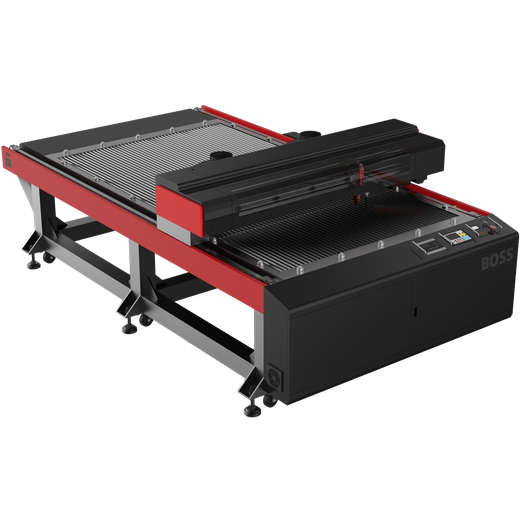
Adds a 150-watt CO2 source plus the ability to cut thin sheet metal up to roughly 18 ga stainless with the right setup.

Pairs a 1.5 kW fiber source with a CO2 tube in one machine, so you can cut metal and non-metal on the same bed.
QWhat metal thickness can a fiber laser cut?
It depends on the power level and the metal. Pierce thickness is not production thickness — a machine that can pierce a given plate will run faster and cleaner well below that limit. Match wattage to the thickest material you cut regularly, not the thickest you cut once.
QWhich assist gas should I use — oxygen, nitrogen, or air?
Oxygen is fast and economical on mild steel but leaves an oxide edge. Nitrogen produces clean, oxide-free edges on stainless and aluminum at higher cost. Compressed air is a budget option for thin material. Match the gas to the metal and the edge you need.
QHow do I get a clean, oxide-free edge on stainless?
Cut with nitrogen at sufficient pressure to blow molten metal clear before it oxidizes. Keep the nozzle, focus, and standoff dialed in, and step up gas pressure as thickness increases. Oxygen will cut stainless but discolors the edge.
QDoes higher wattage always mean better cutting?
No. More power raises top-end thickness and speed, but it also raises machine cost, gas use, and operating expense. The right machine matches your real material mix and volume — over-buying wattage you never use is a common mistake.
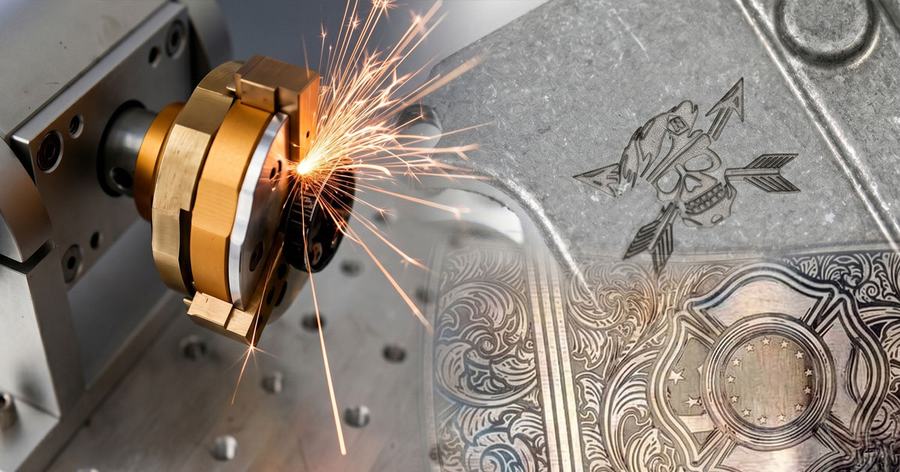
Match the marking method to your metal, contrast, and permanence requirements.
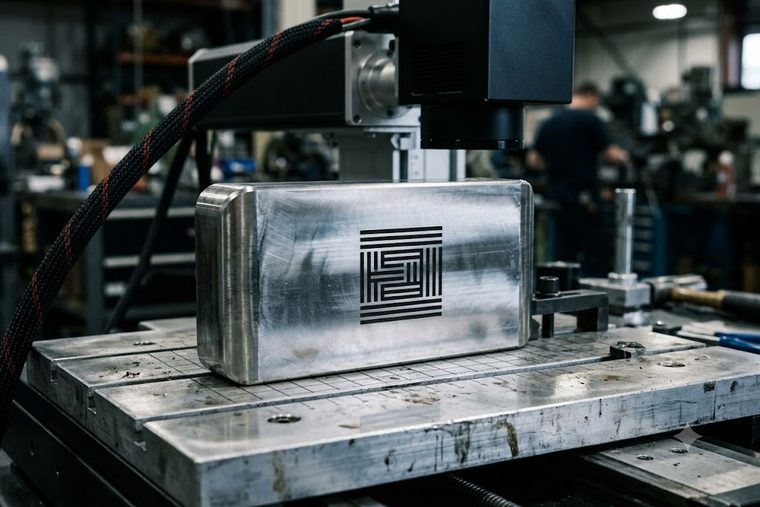
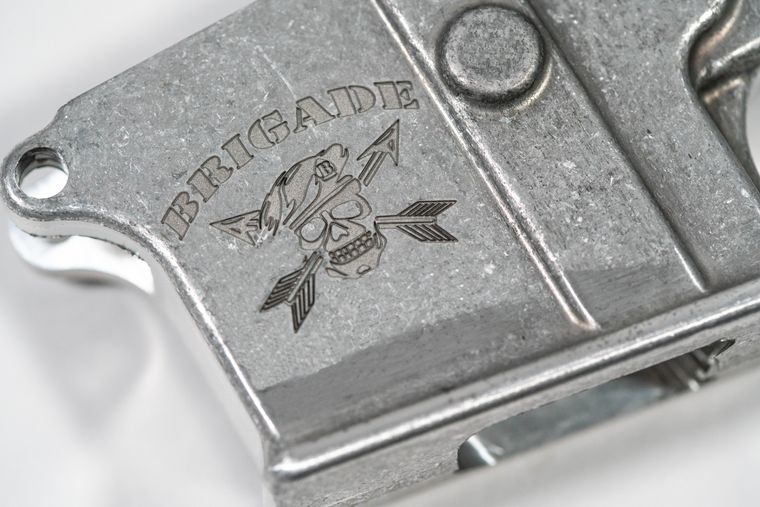
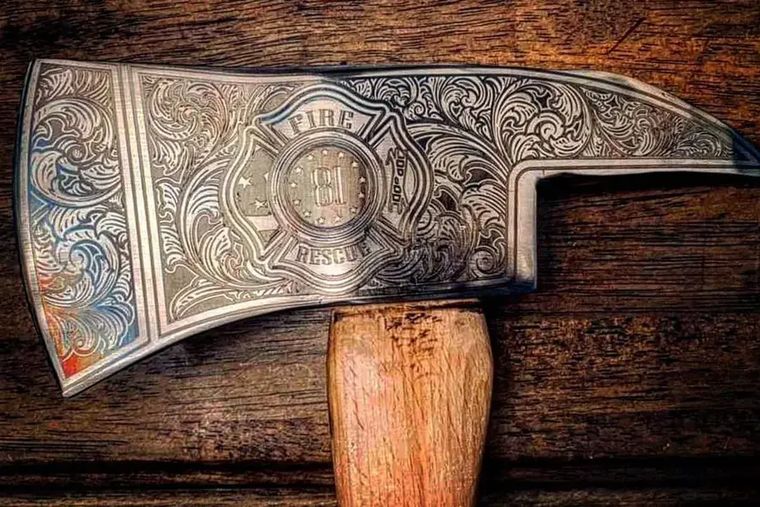
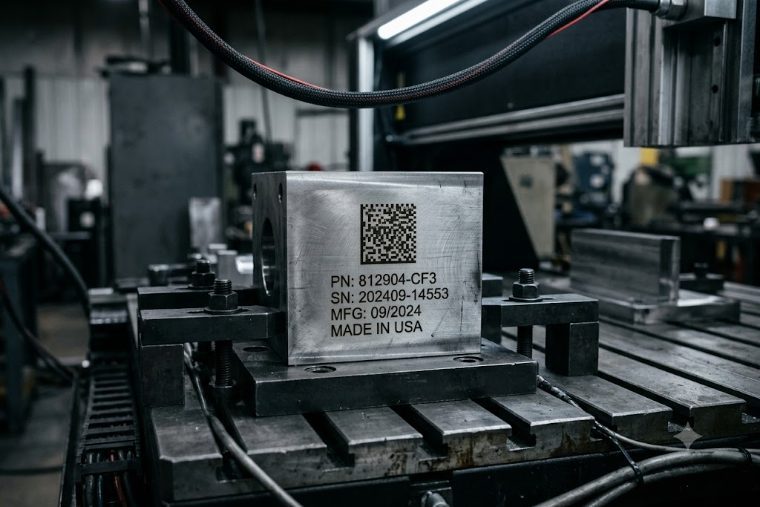
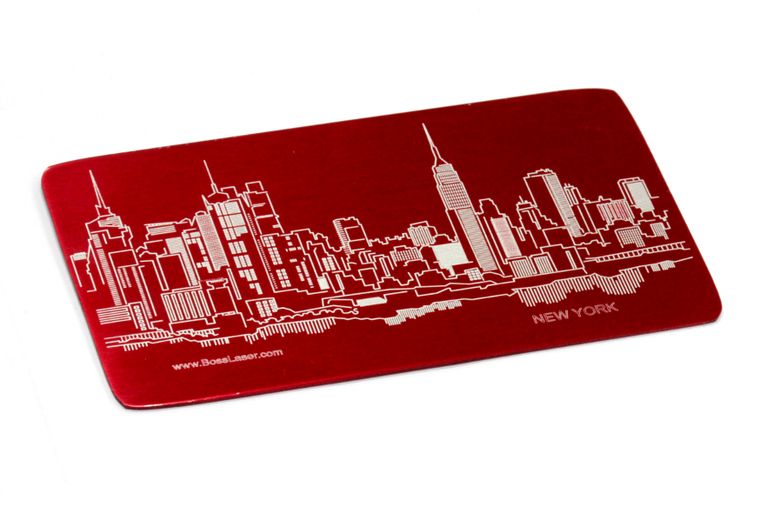
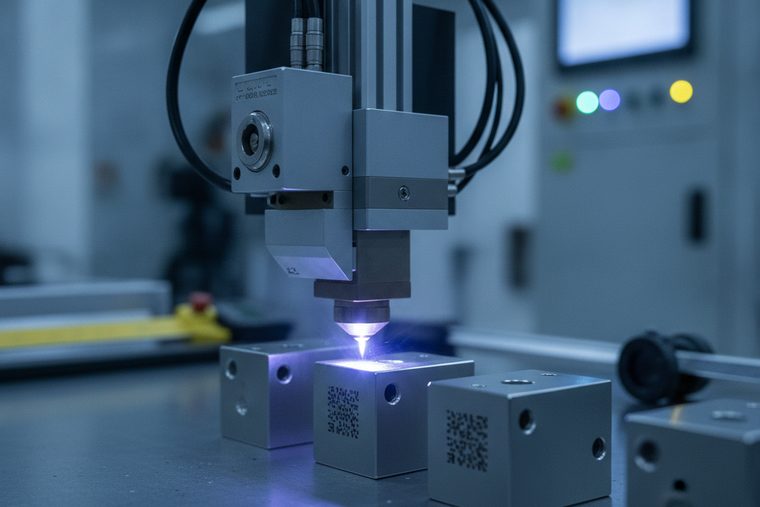
Fiber and UV markers create permanent marks without consumables. The right approach depends on the metal, the contrast you need, and whether the mark must survive wear or corrosion.
Steel, stainless, anodized aluminum, brass, titanium, and coated metals.
Marking method, contrast, depth, cycle time, and surface durability.

Common Applications
Common Buyer Questions
Category 02 · FAQQWhat’s the difference between marking, etching, and engraving?
Marking changes the surface color or oxide without removing material (annealing). Etching melts a shallow, high-contrast layer. Engraving removes material for a mark you can feel. Choose by how much depth, contrast, and durability the part needs.
QCan a fiber marker mark stainless without removing material?
Yes — that’s annealing. The beam heats the surface to grow a controlled oxide layer, producing a black or colored mark flush with the surface. It’s the preferred method for medical, food, and corrosion-sensitive parts.
QHow do I mark anodized aluminum?
On anodized aluminum a fiber laser bleaches the dye layer to a bright white mark with very little power and high speed. It’s fast, high-contrast, and needs no consumables — one of the easiest marking jobs there is.
QWhat lens should I use for fine detail vs large parts?
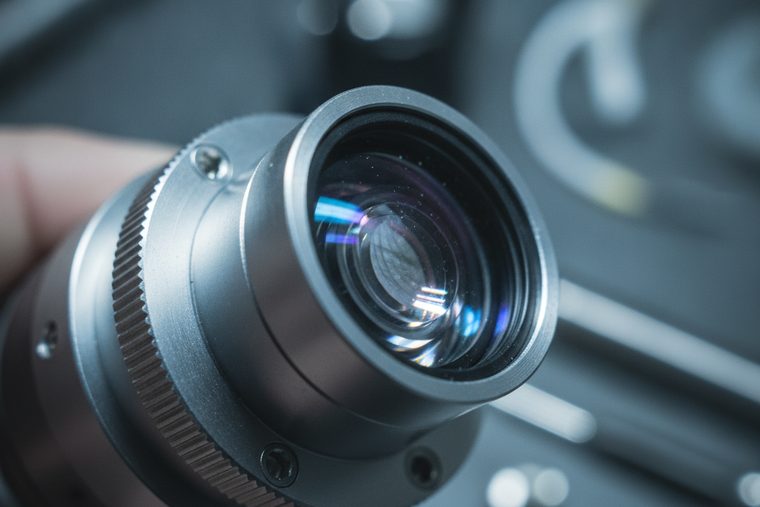
A smaller field lens concentrates the beam for the finest detail; a larger field lens covers bigger parts in one pass but with a larger spot. Match lens and field size to your part dimensions and the smallest feature you need to resolve.
QWill a marked code survive wear and corrosion?
An annealed or deep-engraved mark resists abrasion and corrosion far better than a surface etch. For parts exposed to wear, cleaning, or weather, choose annealing or engraving and validate the mark against your read and durability requirements.
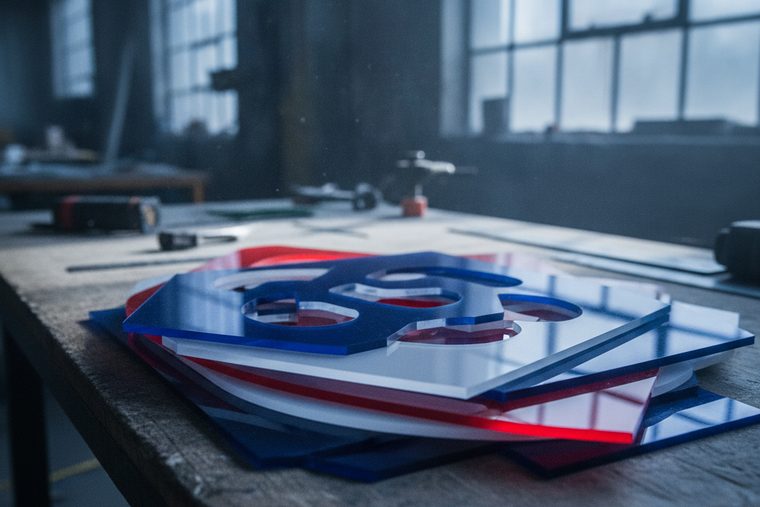
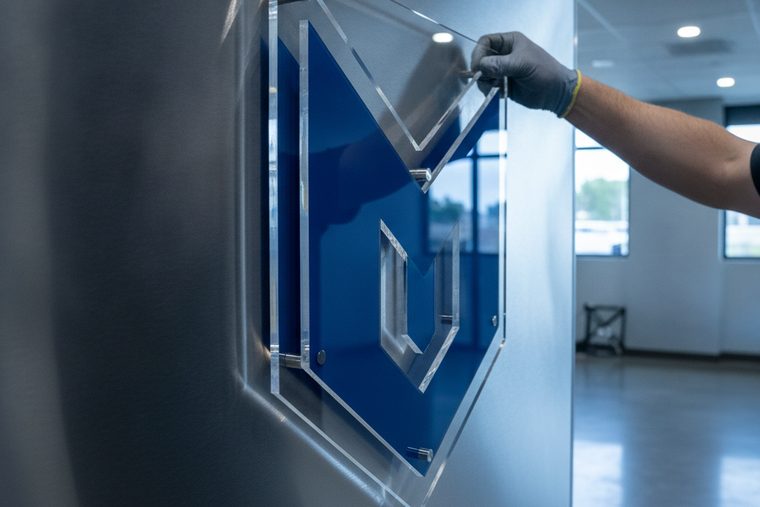
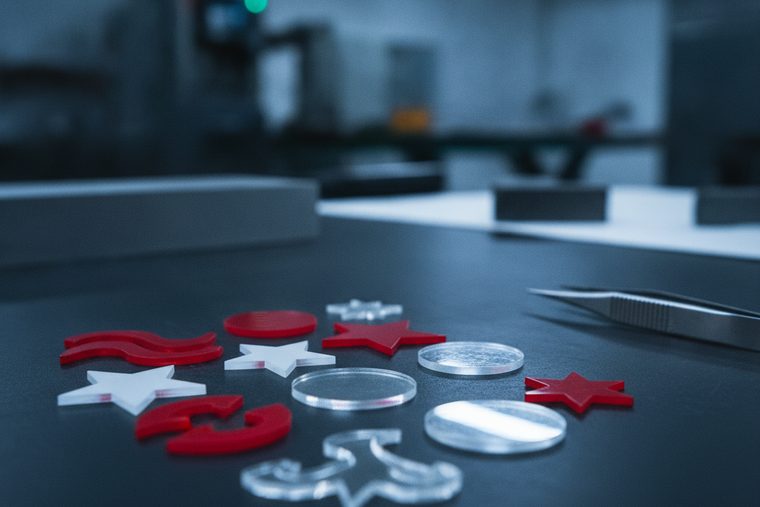
Choose cast or extruded stock and settings for the edge and finish you want.
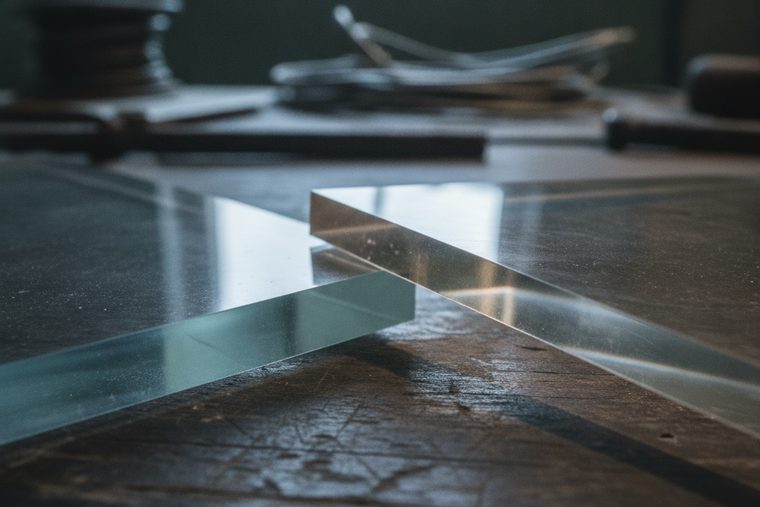
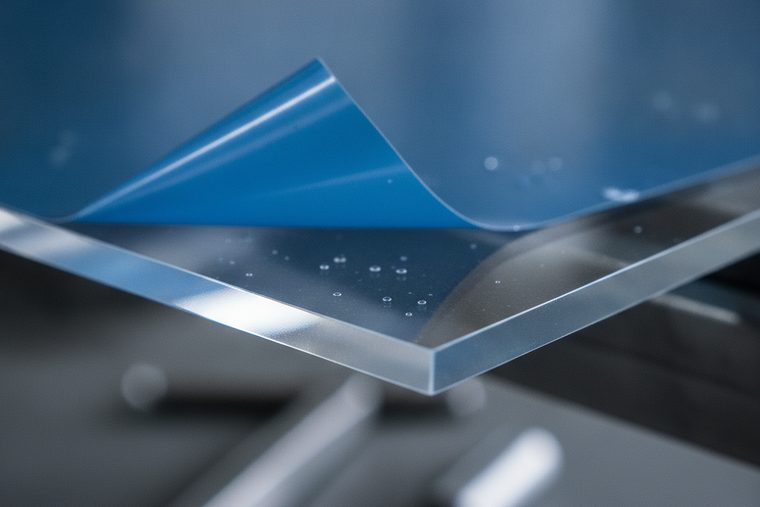
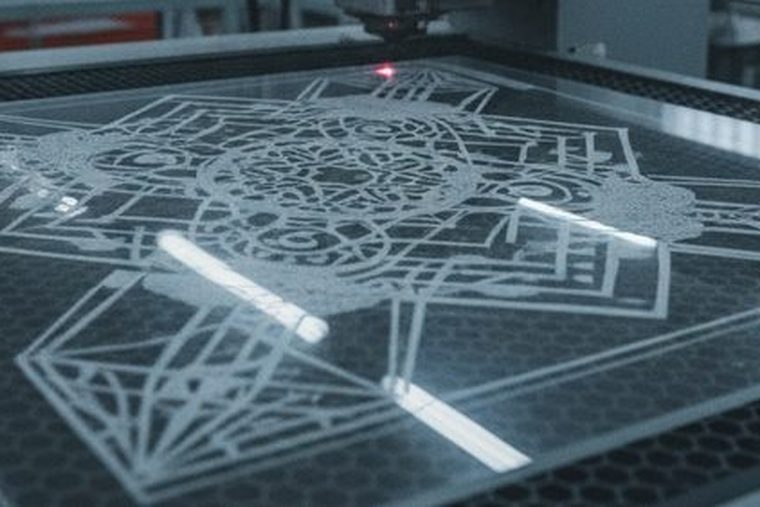
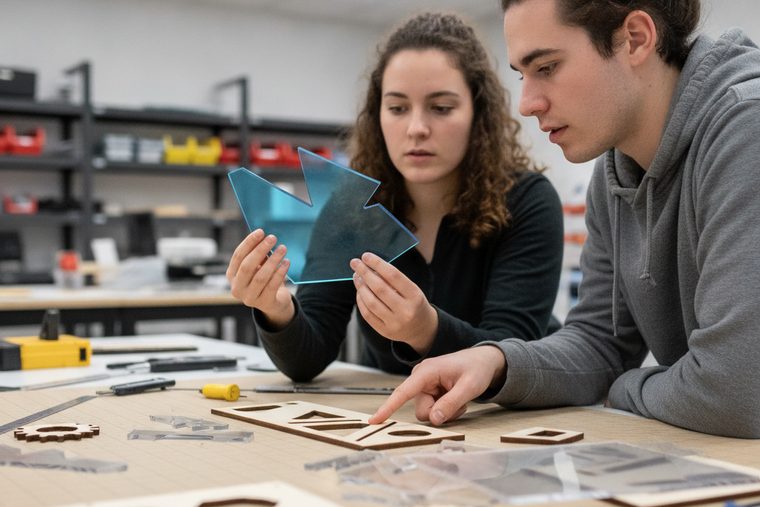
CO2 lasers cut acrylic with flame-polished edges and engrave with frosted contrast. Cast versus extruded stock and proper masking determine edge quality and finish.
Cast and extruded acrylic, Delrin, ABS, laminates, and engraving plastics.
Cast vs extruded, edge finish, masking, speed, and air assist.
Common Applications


Common Buyer Questions
Category 03 · FAQQHow do I get flame-polished, clear acrylic edges?
Cut cast acrylic at a speed and power that melts the edge cleanly in a single pass, with minimal air disturbance at the cut line. Too much air or too many passes frosts the edge — the clearest results come from cast stock and a tuned single-pass cut.
QWhat’s the difference between cast and extruded acrylic?
Cast acrylic engraves with a bright frosted contrast and gives the clearest cut edges; extruded acrylic cuts with very clean edges and melts more uniformly but engraves with less contrast. Choose cast for engraving, either for cutting.
QWhy does my engraving look frosted on some acrylic and not others?
Cast acrylic frosts white when engraved — that’s the desired high-contrast look. Extruded acrylic engraves shallow and dull by comparison. If your engrave looks weak, confirm you’re running cast stock.
QShould I leave the masking on while cutting?
Leave masking on for engraving’s neighboring areas and remove or score it where you cut, depending on the job. Masking protects the surface from smoke residue; test whether your artwork reads better masked or unmasked before the full run.
QWhich plastics are unsafe to laser cut?
Never cut PVC or vinyl — they release chlorine gas that’s hazardous to you and corrosive to the machine. Polycarbonate cuts poorly and discolors. Stick to acrylic, Delrin, and laser-rated engraving plastics, and verify any unknown material first.
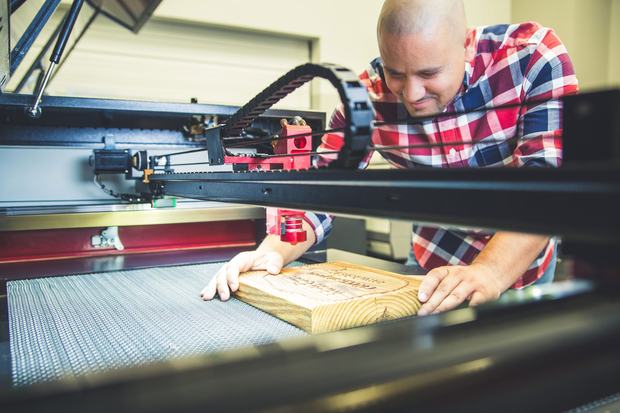
Dial in artwork, depth, and detail for clean cuts and rich wood engraving.
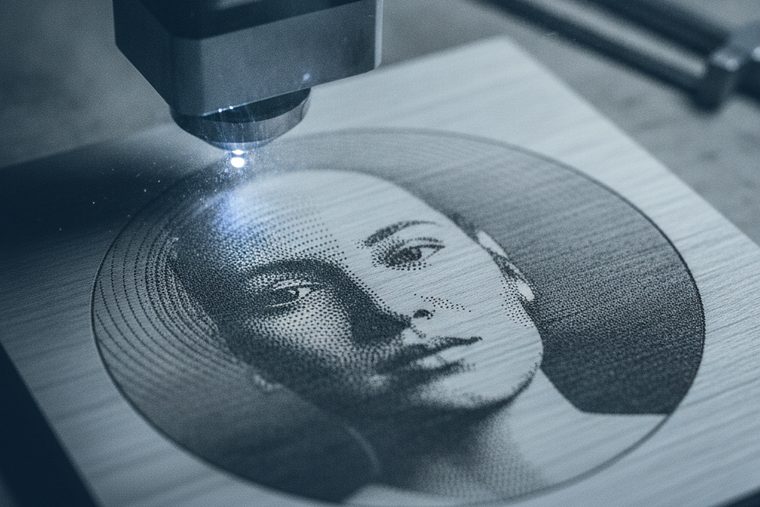
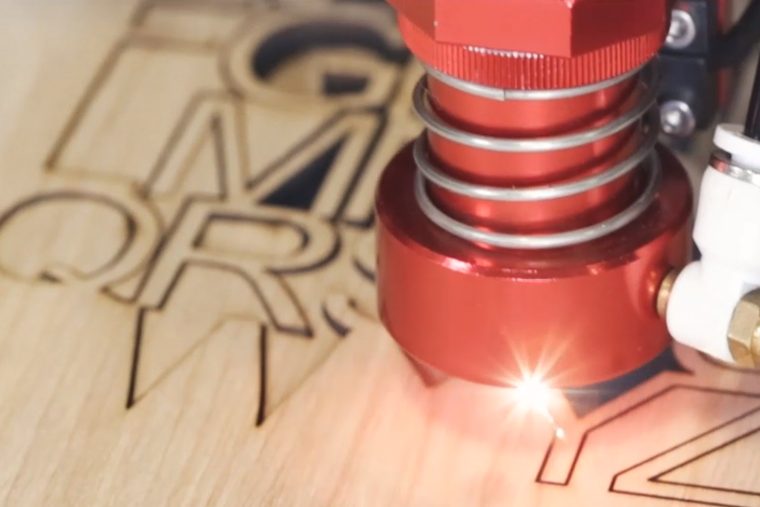
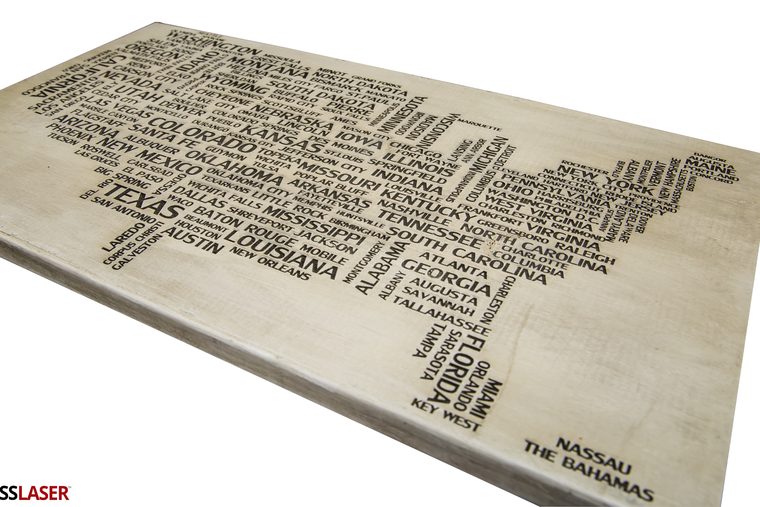
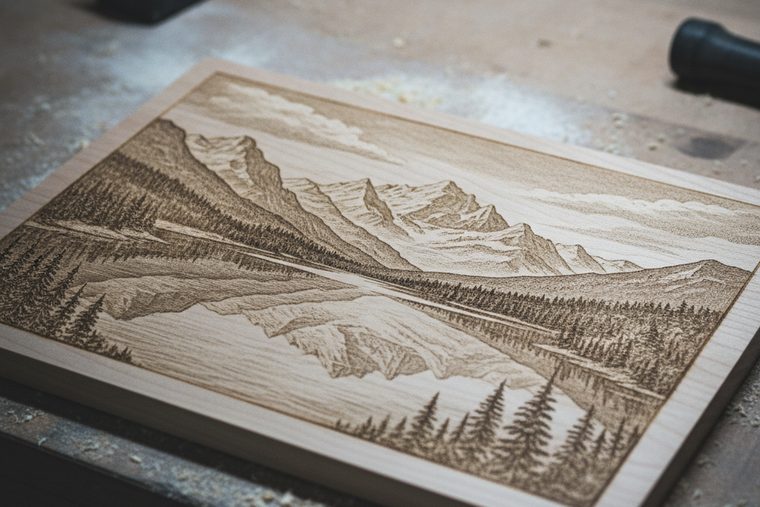
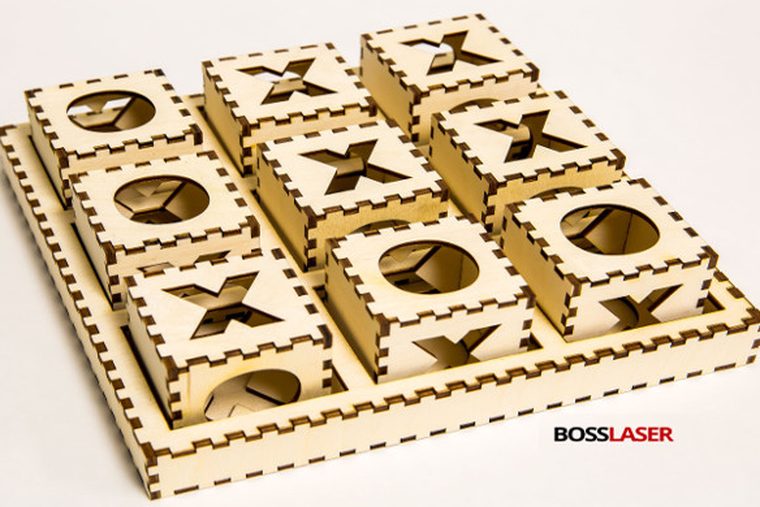
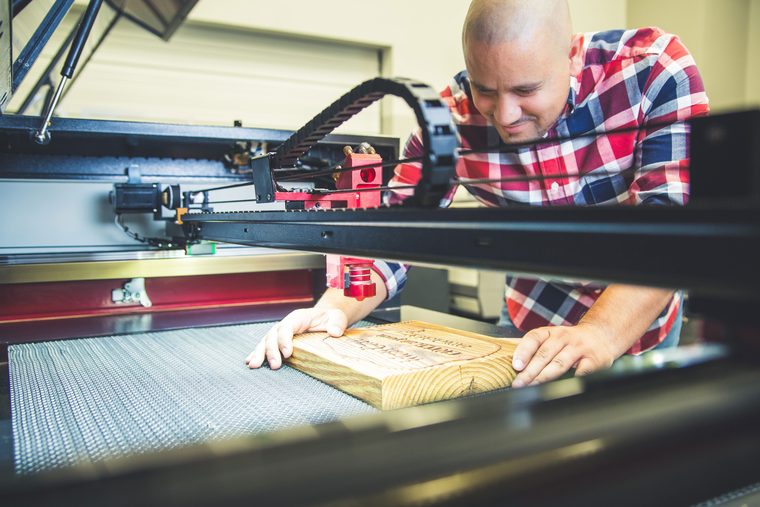
CO2 lasers handle most wood work. Results depend on artwork preparation, engraving depth, grain, and how you manage smoke and char on the surface.
Plywood, hardwood, MDF, veneer, and other natural and engineered woods.
Artwork prep, engraving depth, resolution, air assist, and masking.

Common Applications
Common Buyer Questions
Category 04 · FAQQWhy are my wood edges charred or sooty?
Char comes from too much heat lingering on the cut line. Increase air assist, raise speed, lower power to the minimum that still cuts through, and mask the surface. Resinous woods and dense plywood char more — expect to tune per species.
QHow do I prepare artwork for photo engraving?
Convert the image to greyscale, adjust contrast so detail survives the engrave, and apply a dithering pattern suited to wood. Test on scrap to set the depth and resolution before committing to the final piece.
QWhat’s the best wood for clean laser cutting?
Even-grained, low-resin woods and quality plywood cut cleanest. Knots, heavy grain, and glue-rich engineered boards burn unevenly. For consistent results pick laser-grade plywood and keep the bed level.
QHow do I control engraving depth and contrast?
Depth is driven by power and the number of passes; contrast by speed and resolution. Slower passes burn darker and deeper. Build a small test grid of power-and-speed combinations for each wood you run regularly.
QCan I engrave round objects like tumblers or bats?
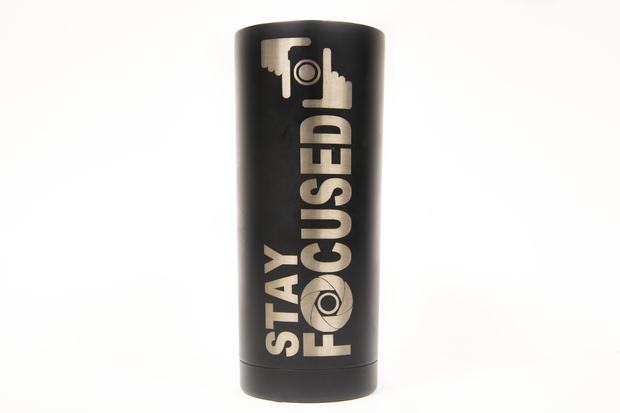
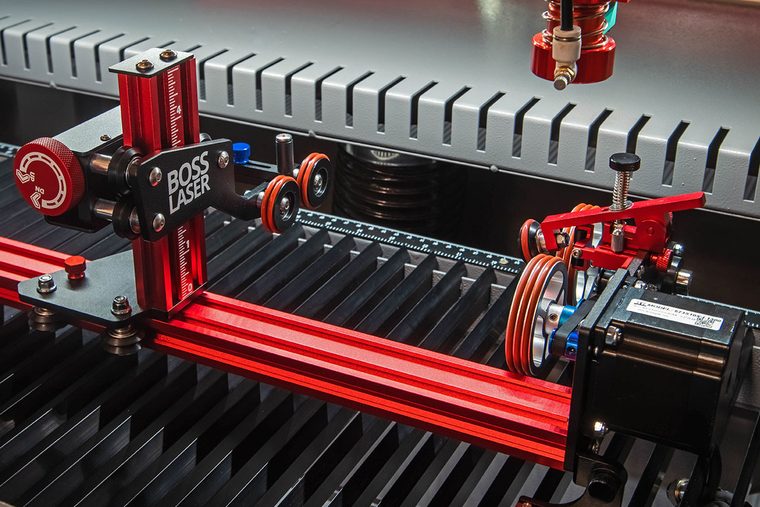
Yes, with a rotary attachment that turns the workpiece under the beam. Set the diameter correctly so the artwork wraps without distortion, and keep focus consistent across the curve.
Find the right path for your material, finish, and production goals.
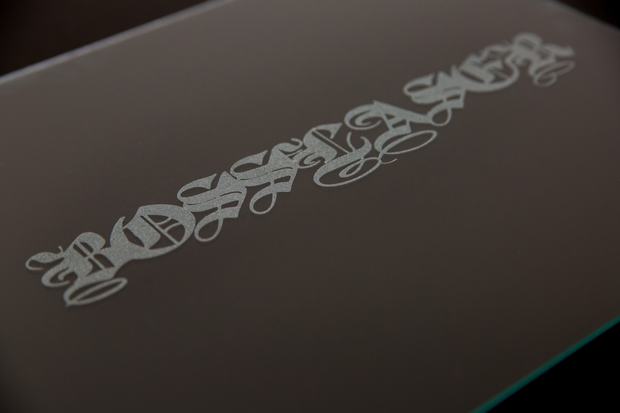
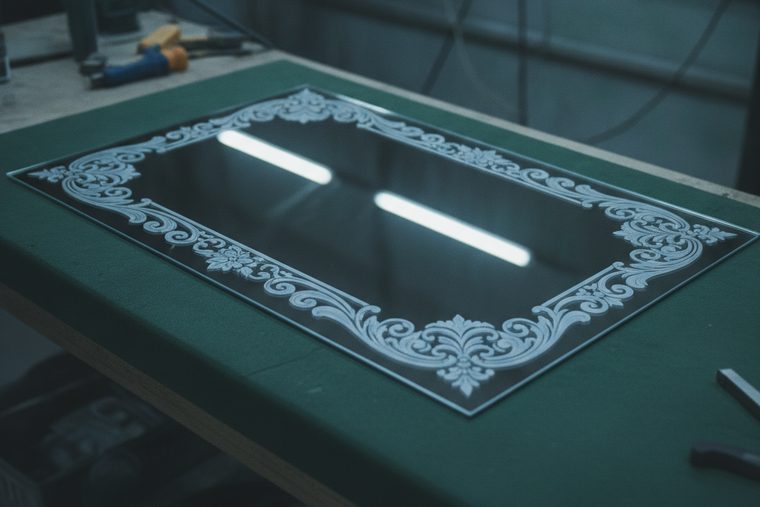
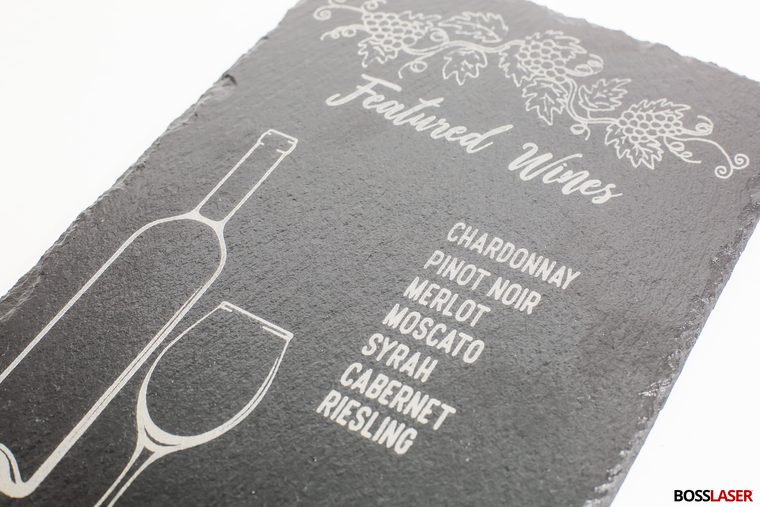
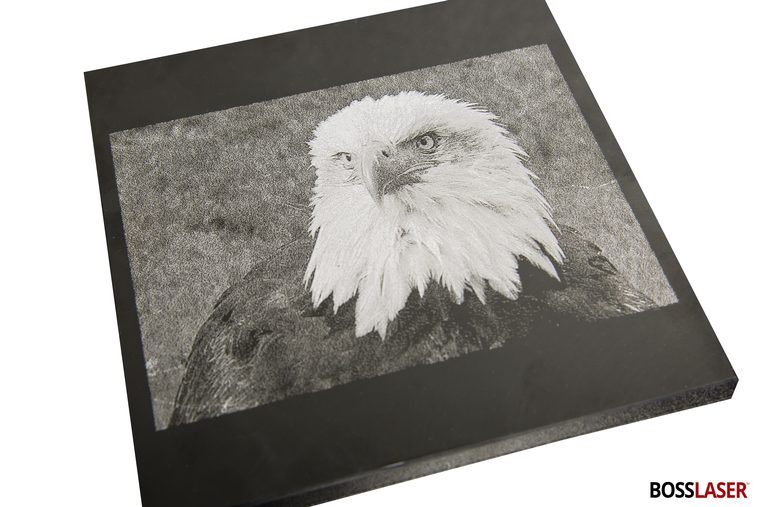
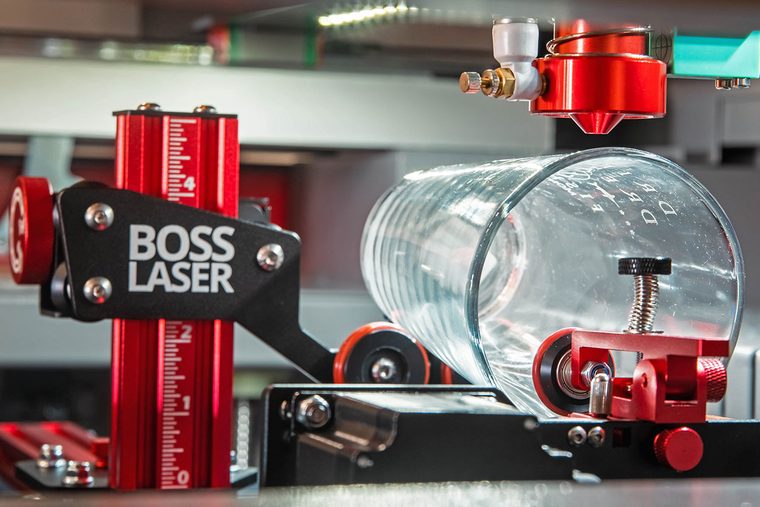
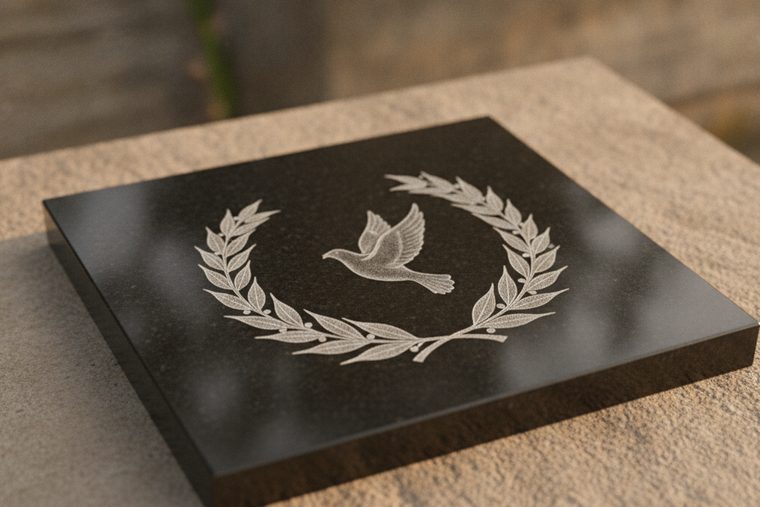
Glass, stone, and ceramic are surface work: the beam frosts or etches the material rather than cutting through it. Artwork preparation, tuned power, and the right fixturing — often a rotary — decide whether the result is a crisp frost or a chipped edge.
Glass, mirror, slate, stone, tile, and drinkware.
Material, artwork prep, speed and power, focus on curved surfaces, and rotary fixturing.

CO2 engravers, frequently with a rotary attachment for bottles and tumblers. Technique controls frosting and chipping.
Shop CO2 LasersCommon Applications

Find the right path for your material, finish, and production goals.
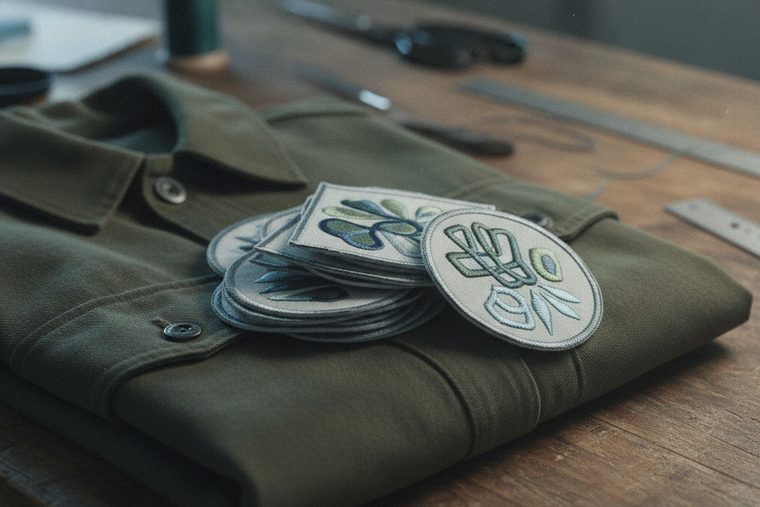
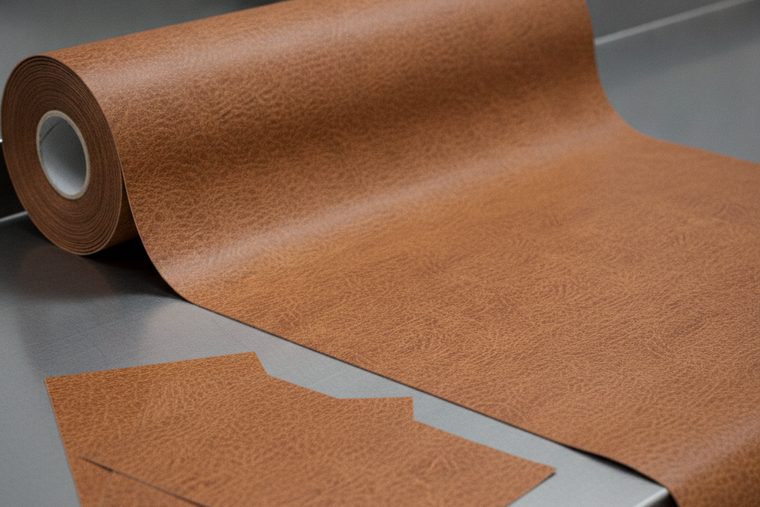
Leather, fabric, and soft goods run at low power, and the work is mostly heat control: too much chars and hardens the material, while dialed-in settings leave a clean edge and crisp engraving. Always confirm what a synthetic actually is before it goes on the bed.
Leather, fabric, patches, apparel, foam, and rubber.
Material and backing, speed and power, air assist, masking, and material safety (never PVC or vinyl).
CO2 cutters/engravers. Verify real vs. faux leather and synthetic content before cutting; PVC-based “leather” is not laser-safe.
Shop CO2 LasersCommon Applications


Find the right path for your material, finish, and production goals.
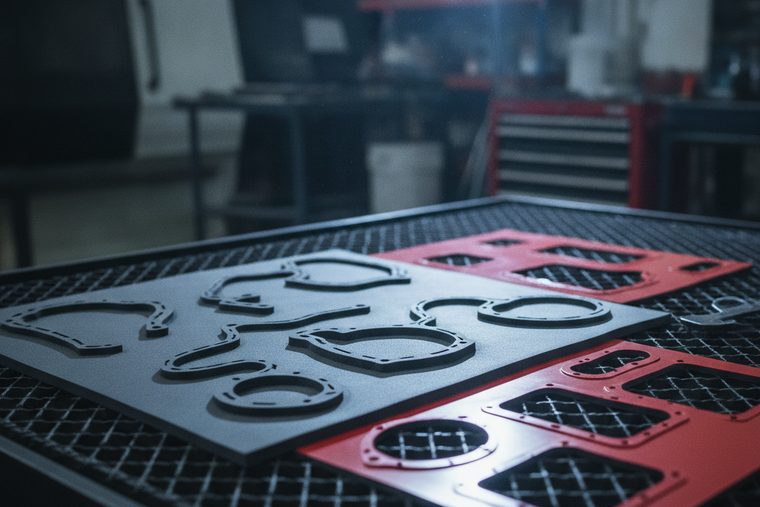
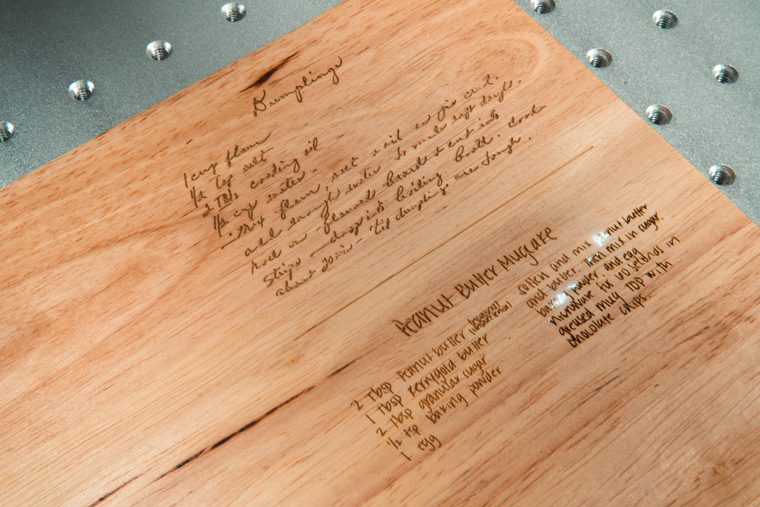
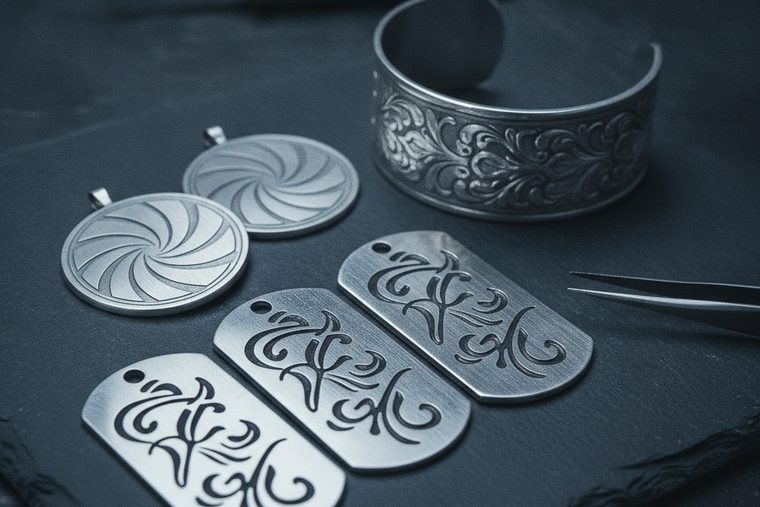
Personalization is mixed-material by nature — tumblers, wood gifts, acrylic awards, metal jewelry — so the real decision is matching the laser type (CO2, fiber, or UV) to the products you actually run, then locking in repeatable settings per product.
Tumblers, promo products, cutting boards, gifts, jewelry, and awards.
Product material, fixturing and rotary setup, artwork prep, and repeatable per-product settings.
Depends on the product mix — many shops run a CO2 for organics plus a fiber for metal. See “Best Laser for Small Business” and “CO2 vs. Fiber.”
Compare CO2 vs FiberCommon Applications



Find the right path for your material, finish, and production goals.
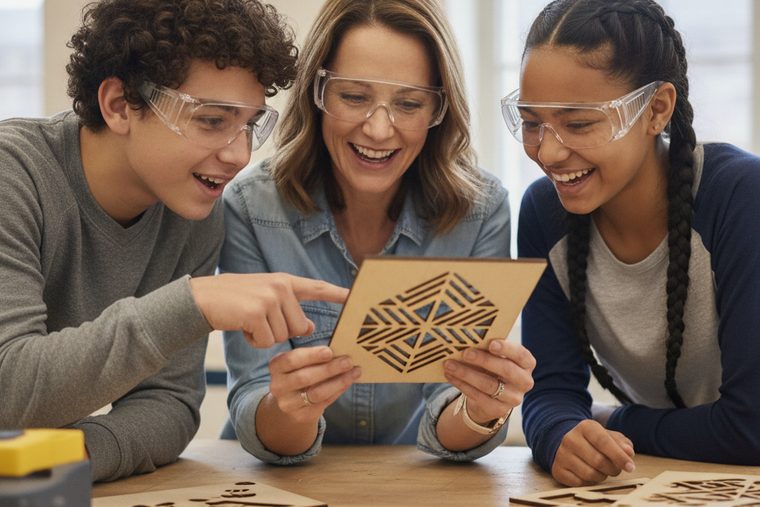
Institutional buyers choose lasers for classrooms, labs, and shops — where safety, training, facility requirements, and the procurement path (POs, quotes, tax exemption) matter as much as the machine itself.
Education, lab, and government settings across CO2, fiber, and UV.
Machine type and wattage, enclosure and safety, ventilation and power, training, and procurement.
Matched to the curriculum or program — often CO2 for general education. Facility readiness (power, air assist, ventilation) comes first.
Talk to Education SalesCommon Applications

QCan a laser cut metal?
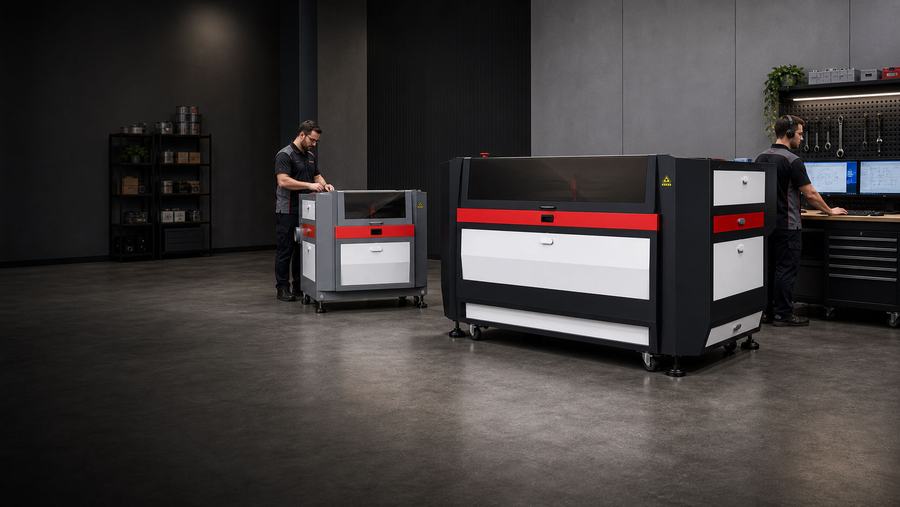
Yes. For production metal cutting, a dedicated fiber laser cutter is the right starting point. How much power you need depends on the metal type, thickness, cut speed, edge quality, and assist gas. CO2 lasers are not the tool for cutting most metals.
QWhat is the difference between a CO2 and a fiber laser?
A CO2 laser (≈10,600 nm) excels on organic materials and acrylic — wood, paper, leather, glass, and plastics. A fiber laser (≈1064 nm) is absorbed efficiently by metal, so it is the choice for cutting and marking steel, stainless, aluminum, brass, and titanium. Many shops run one of each.
QDo I need a different laser to cut, engrave, and mark?
Not always — but the job changes the setup. Cutting passes through the material; engraving removes material to a depth; marking changes the surface (color or a thin etch). The same machine can often do more than one, but the right laser type still depends on the material first. Each category page explains what to expect.
QWhich materials should never be laser cut?
PVC and vinyl release chlorine gas that is dangerous to you and corrosive to the machine — never cut them. Be cautious with unknown plastics, PVC-based faux leather, polycarbonate (Lexan), and ABS. When in doubt, verify the exact material with the supplier before cutting. See the Plastics Compatibility & Safety page.
QHow do I know how much laser power I need?
Power depends on the material, the thickness you cut most often (your production thickness, not the maximum), the speed you need, and the edge quality you expect. For metal cutting, the Fiber Laser Power Guide and Assist Gas Guide walk through it; for other materials, start with the category page closest to your job.
Still deciding?
Not sure which application or laser fits your job?
Tell a Boss Laser specialist the part, the material, and your volume — we will point you to the right application path, machine, and power level.