

Is it the right machine
A different class of machine.
A fiber cutter is a capital purchase with a floor, a power supply and a gas supply behind it. The question is rarely which model — it’s whether this is the right machine at all.
A good fit when…
- Cutting metal sheet — carbon steel, stainless, aluminum, brass and copper
- Production volume, where cut speed and uptime decide the economics
- Parts you’d otherwise send out, where bringing it in-house is the point
- Tube and pipe, on the machines built for it
Look elsewhere when…
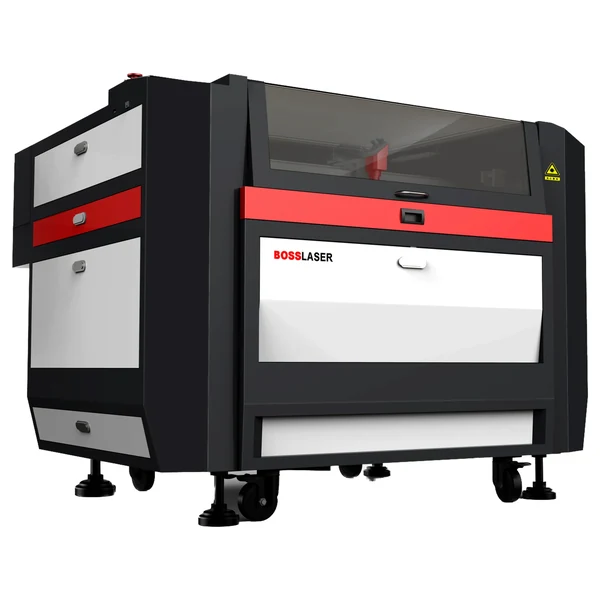
- You cut thin sheet occasionally, alongside wood and acrylic. The HP is a CO₂ laser with a metal head, at a fraction of the cost.
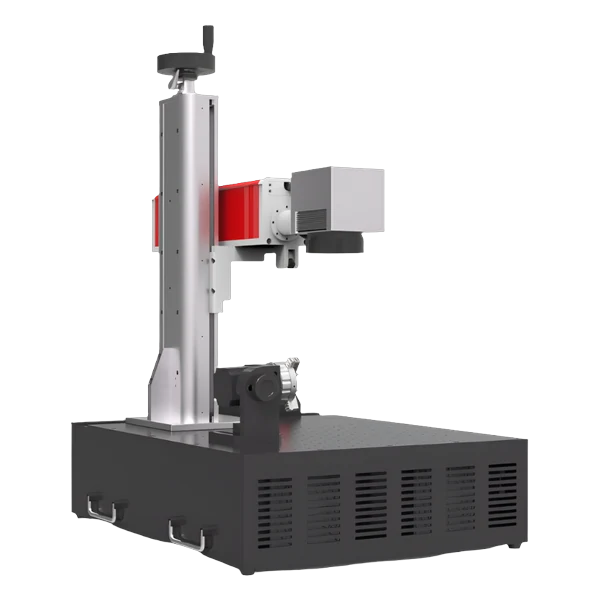
HP Series → - You’re marking metal, not cutting it.
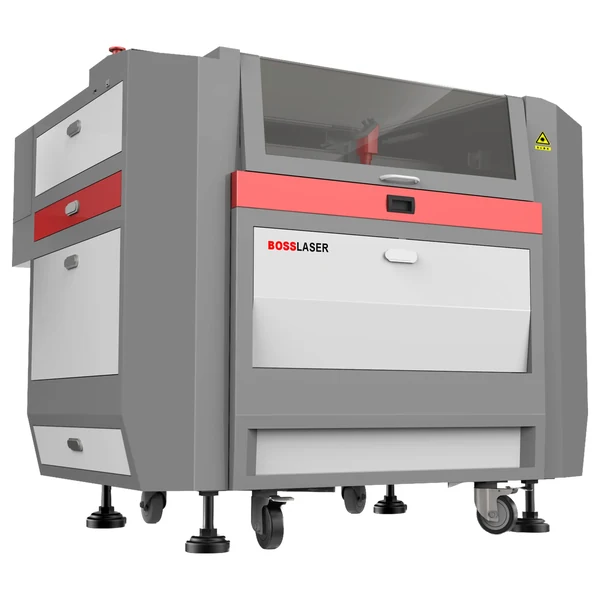
Fiber markers → - The work is non-metal. Fiber is the wrong wavelength for wood, acrylic and leather.
LS Series → - You need to know thickness and speed before machine names. Start with the power guide.
Fiber laser power →
How to choose
Size by the sheet. Power by thickness.
Those two decisions come first, and they are independent of each other.
The sheet decides the machine. Standard stock is 4 × 8 ft or 5 × 10 ft, and a machine that can’t lay your stock down flat turns every job into a cutting-down job first. Start there, then look at power.
Power decides thickness and speed — and the two are not the same question. More power cuts the same material faster, and cuts thicker material at all. Boss’s own cut charts and the thickness-by-power tables live in Fiber laser power; Choosing a fiber laser cutter is the five-question version of this page.
One pattern worth knowing: open-platform machines generally top out around 2 kW, while enclosed machines go higher. If you’re being quoted high power on an open frame, ask why.
Sheet metal cutters
Ten machines, by what they hold.
Power figures are the options Boss sells today. Where a listing offers no power option, none is shown.
| Machine | Sheet | Power | Weight | Starting at | What it's for |
|---|---|---|---|---|---|
| FC-EcoCUT | 1330 × 1305 mm or 52″ × 51″ | 2 kW | Under 3,000 lb | $49,997 | The entry machine: a square-ish 52″ bed |
| FC EcoPro | 5′ × 10′ | Not listed | 6,000 lb | $55,997 | A full 5 × 10 ft sheet |
| FC-AccuCut | X=51.2″, Y=51.2″, Z=3″ (1,300 × 1,300 mm) | 2 kW or 3 kW | 3,900 lb | $61,997 | Precision frame, 51″ square bed |
| FC-AccuCut SS | X=24″, Y=24″, Z=3″ | 2 kW or 3 kW | Not listed | $110,997 | The precision machine — see below |
| FC-FlexCUT | 98″ × 51″ | 2 kW | 3,000 lb | $53,997 | CO₂ and fiber on one platform |
| FC-6012 Elite | 59″ × 118″ or 59″ × 154″ | 3 kW | 6000 lb | $71,997 | 5 × 10 ft, with a 154″ bed option |
| FC-6012 EXT | 59 × 118″ or 1,500 mm × 3,000 mm | 1.5 kW | 30,000 lb | $83,097 | Exchange table, for loading while it cuts |
| FC-Elite MaxCUT | 59 × 118″ or 1,500 mm × 3,000 mm | 3 kW | 6,945 lb | $86,997 | Higher power on the same 5 × 10 ft sheet |
| FC+ EXT AutoCUT | 59 × 118″ or 1,500 mm × 3,000 mm | Not listed | 30,000 lb | On request | Automated loading |
| Mega Cut | 472.44” × 98.43” | 3 kW, 4 kW, 6 kW, 12 kW or 20 kW | 37,699 lb | $136,097 | 39 ft of bed, and up to 20 kW |
⚠ Boss lists no price for the FC+ EXT AutoCUT and no power option for it or the FC EcoPro — both are open questions with Boss. Every machine here is quoted and installed, so treat a starting price as the floor of a conversation, not a checkout total.
The precision exception
AccuCut and AccuCut SS are not big and small.
The names suggest a pair. They are two different machines about $49,000 apart, and the SS is the one with the smaller bed.
| FC-AccuCut | FC-AccuCut SS | |
|---|---|---|
| Cutting area | 51.2″ x 51.2″ x 3″ | 24″ x 24″ x 3″ |
| Published tolerance | none published | ±0.03 mm (±0.0012 in) |
| Frame | Aviation 6061-T6 aluminium gantry | Rigid marble table + aviation aluminium beam |
| Drive | Ball screw + double HiWin rails, AC servo | Linear motor drive, Fuji servo motors |
| Laser power (as sold) | 2 kW or 3 kW | 2 kW or 3 kW |
| Machine footprint | 86″W x 85″L x 64″H | 57.75″L x 75.5″W x 79.75″H |
| Machine weight | 3,900 lb | ~6,614 lb |
| Material platform | Steel saw-tooth | Pneumatic clamp |
| Electrical | 3 phase | 220-240V 3 phase (220V single also available), IP54 |
Do NOT tell a customer ‘the SS is the smaller one’ and leave it there. Smaller BED, but nearly double the weight and taller — a freight and floor-loading answer, not a space-saving one.
Frame, drive and tolerance are from Boss spec sheets A-440-201 rev 002 (2026-04-01) and A-440-102 rev 002 (2026-04-08); laser power is what the Boss store sells today, which is the same on both.
Tube and pipe
Cutting round stock is a different machine.
A flat bed holds sheet. Tube and pipe need a chuck that turns the stock under the head.
FC PipeCut
Boss’s dedicated tube and pipe cutter, running Tube T and Tube Pro software rather than the flat-sheet CypCut.
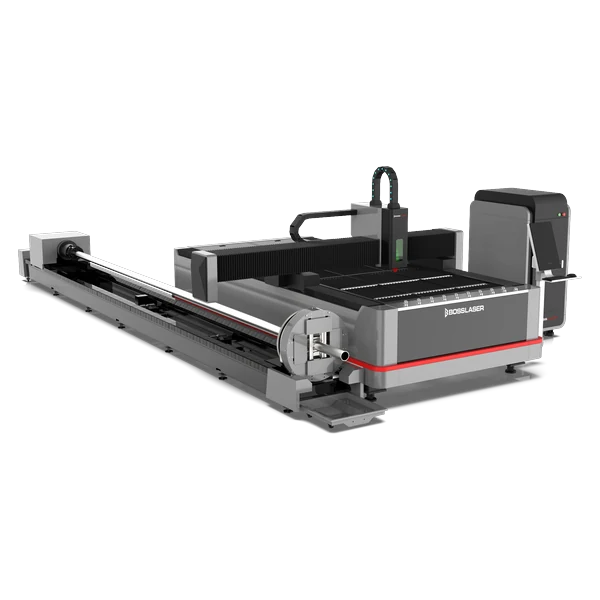
FC+ ElitePipeCUT
The larger pipe machine, and the one Boss lists a power option for.
⚠ We publish no pipe capacity for either machine — not diameter, not length, not wall thickness. Boss’s spec table gives both of them a 59″ × 118″ sheet size, which appears to be copied from the flat cutters, and lists no tube dimensions at all. Those figures are an open question with Boss; until they land, the Spec Desk is the honest answer for “will it take my stock”.
Also in the FC family
A welder and a cleaner.
Both carry FC badges and a high-power fiber source, and neither is a cutter. Worth knowing they exist before someone orders one expecting a bed.

FC-Fusion
A 2 kW handheld fiber welder — Boss’s listing calls it a welder, cutter and cleaner, and welding is the job it is bought for.
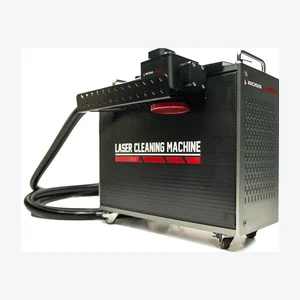
FC-Lumin X
A 300 W handheld pulsed cleaner for rust, coatings and surface prep. A galvo head without the rotation, on wheels.
Where it’s used
The work these machines run.
The application page covers materials, thickness and the questions that come before a machine name.
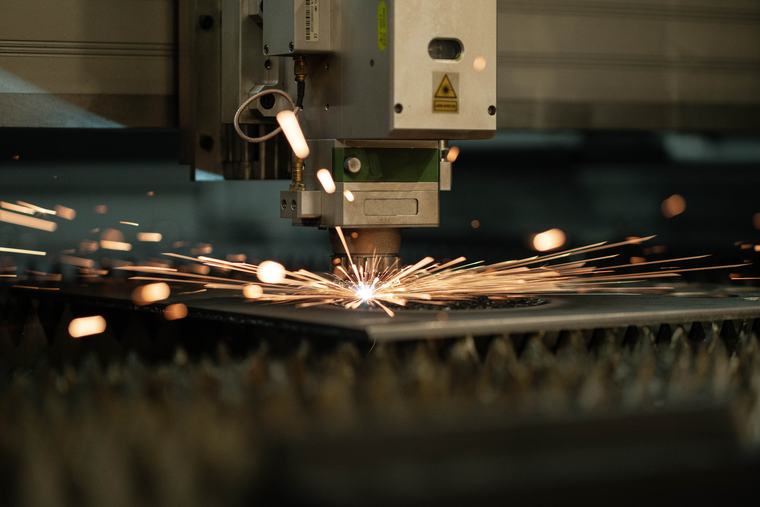
Metal cutting & fabrication
Materials, thickness, part formats and weekly volume — the four answers that decide the platform.
See the application →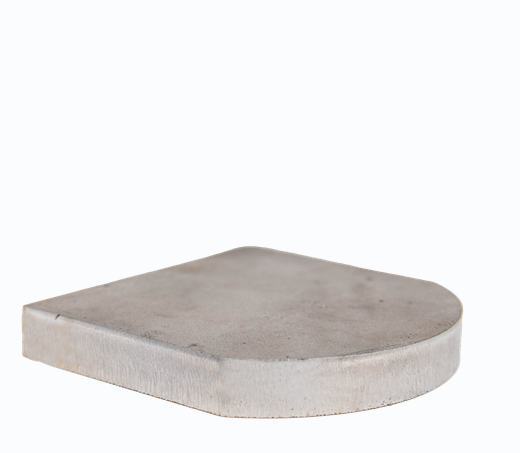
Fiber vs CO₂
Why fiber cuts metal and CO₂ doesn’t, and where each one stops. The physics behind the whole family.
See the application →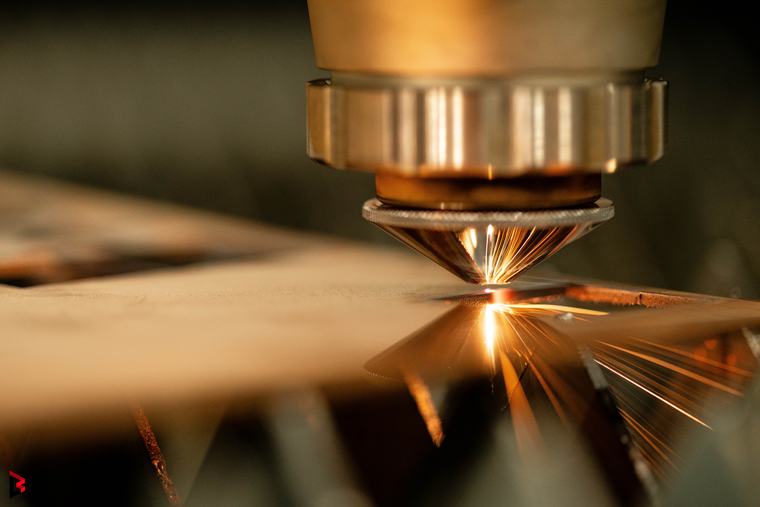
Reflective metals
Brass and copper reflect the beam back. What that means in practice, and how it’s handled.
See the application →Questions
What people ask before buying a fiber cutter.
Straight answers, and the honest gaps.
How thick can a Boss fiber cutter cut?
It depends on the power and the metal, and the honest answer is a chart rather than a number. Carbon steel, stainless and aluminum all behave differently at the same wattage, and cutting a thickness at all is a different question from cutting it fast enough to be worth doing.
The thickness-by-power tables are in Fiber laser power, published with their sources. Brass and copper figures are deliberately left out — the data we could verify came from a single source, and reflective metals are where a wrong number costs the most.
How much power do I need?
Start from the thickest material you cut regularly, not the thickest you’ve ever cut. Power buys speed on thin material and capability on thick, and the jump in price between classes is large enough that guessing high is an expensive habit.
Choosing a fiber laser cutter walks the five questions that settle it.
What does one of these need from the building?
Three-phase power on the machines that state it, a floor that takes the weight — these run from about 3,000 lb to 37,699 lb — compressed air or bottled assist gas, and extraction.
⚠ Boss lists “call for info” for the electrical service on most of this family, so confirm the supply for your specific configuration before you plan the install. That’s a question we have open with them too.
Is the AccuCut SS just a smaller AccuCut?
No, and this is the one that catches people. The SS has the smaller bed — 24″ square against 51″ — but it is the precision machine: a marble table, linear-motor drive, and a published tolerance of ±0.03 mm that the AccuCut doesn’t quote.
It is also nearly twice the weight and taller, so “smaller” is a freight and floor-loading answer, not a space-saving one.
Does Boss make a machine that cuts metal and non-metal?
The FC-FlexCUT carries a CO₂ source and a fiber cutter on one platform, which is a genuinely different animal from the rest of the family.
If the metal side is thin sheet and occasional, the HP Series is the cheaper answer: a CO₂ laser with a metal-cutting head.
Other machines
Not quite the right machine?
Each of these answers a different job. Start from the work, not the model name.
Bringing metal cutting in-house?
Tell the Spec Desk the materials, the thicknesses, the part formats and the weekly volume. Those four answers pick the platform, the power and the assist gas.
Specs are Boss’s published product-page spec tables (verified 2026-07-30). Laser power, drive, cooling and air-assist choices are read live from the Boss store, which is where current pricing lives.