

Boss Laser · Learn
How Laser Cutting Works
Under every laser cut is one of three physical processes. Understand those, and material choice, machine choice, and edge quality all start to make sense. Here’s what actually happens where the beam meets the material.
A laser doesn’t cut like a blade. It removes material by heat — and there are three distinct ways it does that. Most everyday cutting is melt-and-blow; some is vaporization; brittle materials are separated by controlled fracture. A fourth process, ablation, is the same physics aimed at the surface — the basis of marking and cleaning.
In this guide
Five ways in
Start with the process overview, or jump straight to a mechanism. Each page is self-contained and links to the machine that does the job.
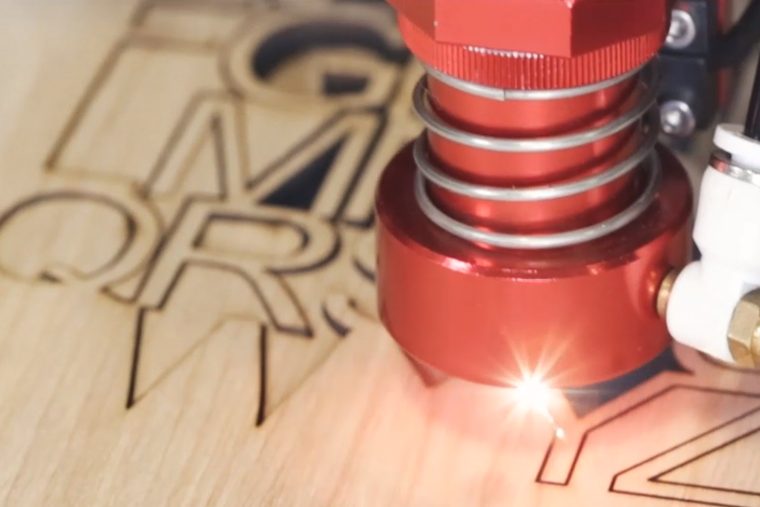
Laser Cutting, Start to Finish
Overview The full process — design to finished part — and where the three mechanisms fit.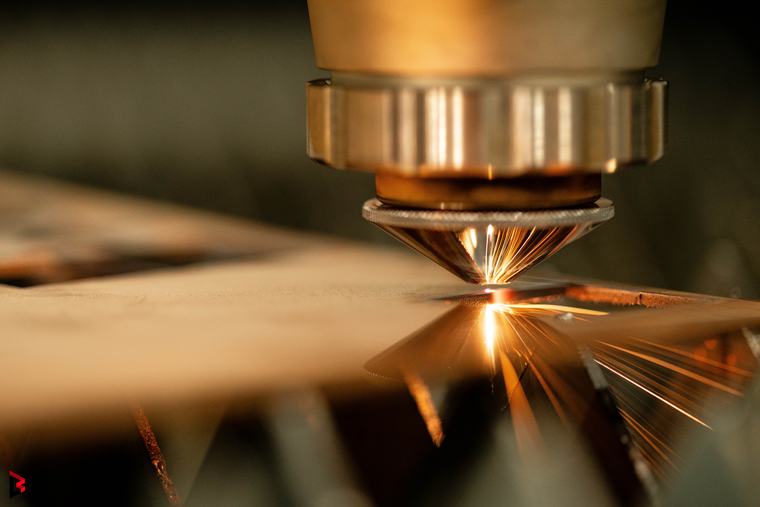
Oxidation & Melt Cutting
Mechanism · Metal How a laser actually cuts metal — and the oxygen-vs-nitrogen choice that sets your edge.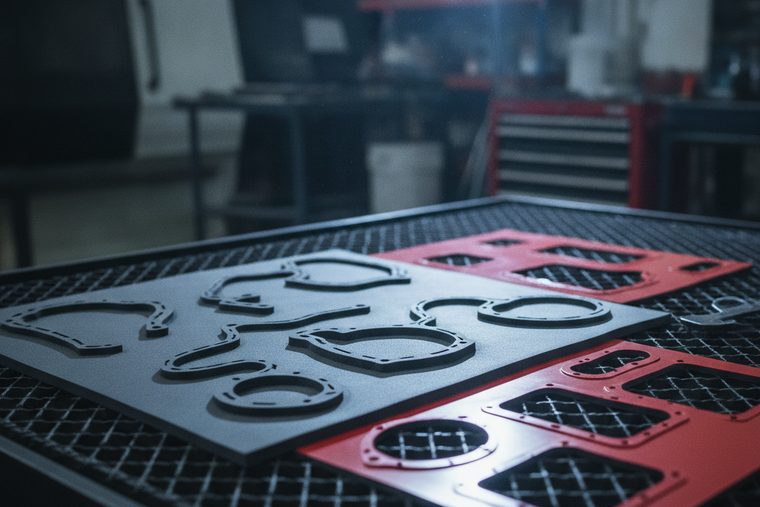
Vaporization Cutting
Mechanism When material boils straight to gas — clean edges on thin organics and foils.
Controlled-Fracture Cutting
Mechanism · Brittle Cutting brittle materials — glass, ceramic, silicon — by cracking them along a heated line.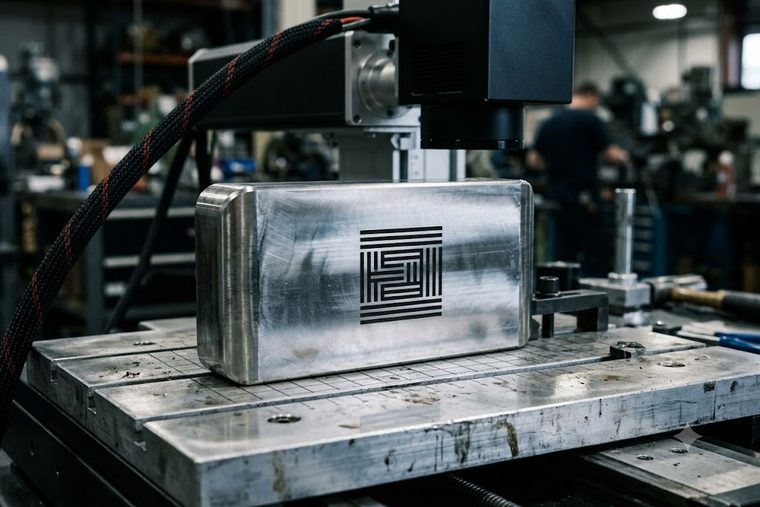
Laser Ablation
Process · Marking Removing material a layer at a time — the basis of marking, cleaning, and texturing.Boss Laser · Learn
Know the process — now go deeper.
Each mechanism points to a material and a method: organics vaporize, metal is melt-and-blow, brittle materials fracture. The pillar walks a real cut from design to finished part, start to finish.