
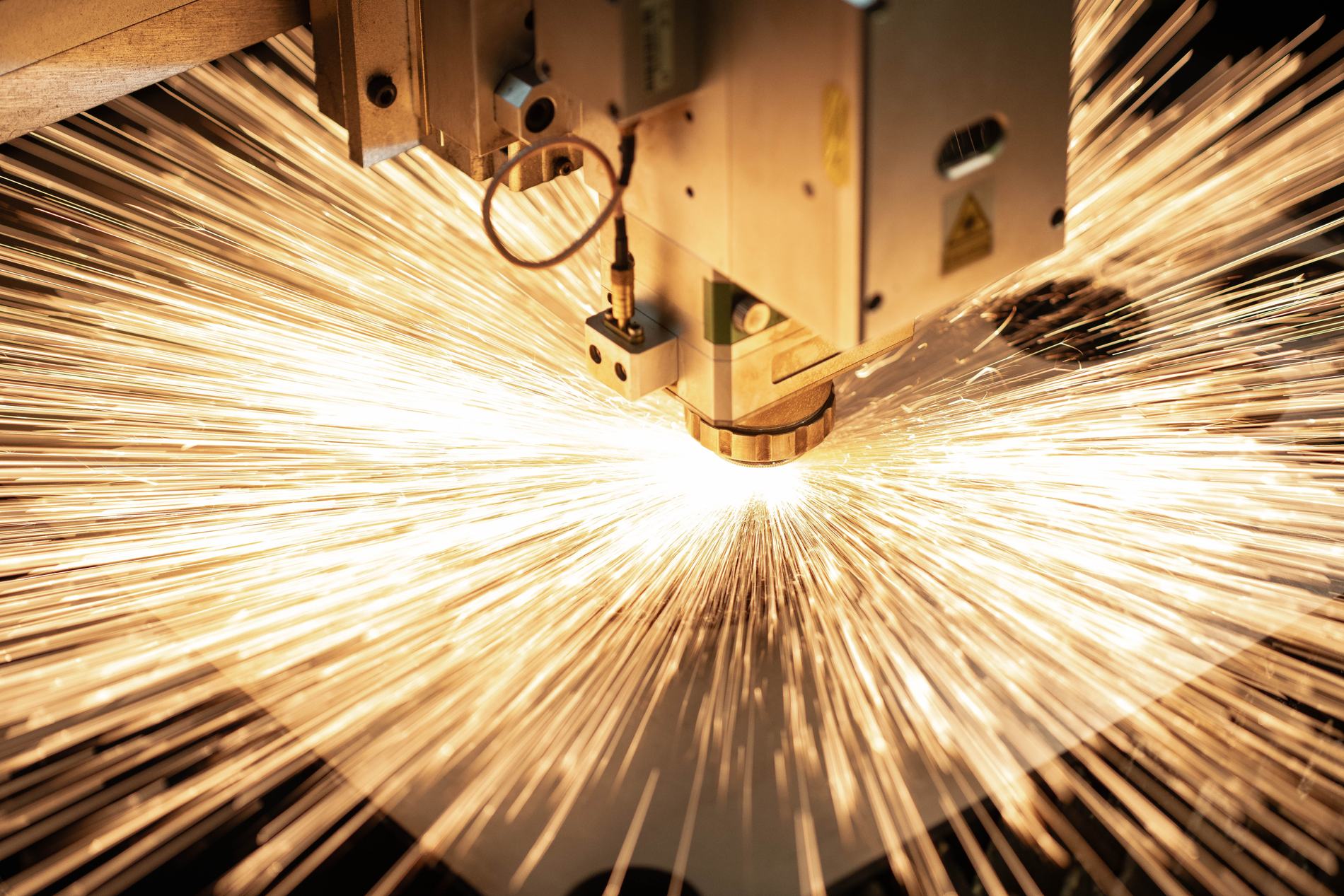
Find the right metal cutting path for your material, thickness, and production goals.
Fiber laser cutting is the primary choice for shops that need fast, repeatable metal fabrication. Match the laser, power, assist gas, and thickness range to your day-to-day production work.
Which laser, power level, and setup do I need to cut metal?
Estimate power on this page →- Steel
- Stainless steel
- Aluminum
- Brass
- Copper
- Tube & pipe
- Sheet metal
- Material type
- Thickness
- Assist gas
- Edge quality
- Throughput
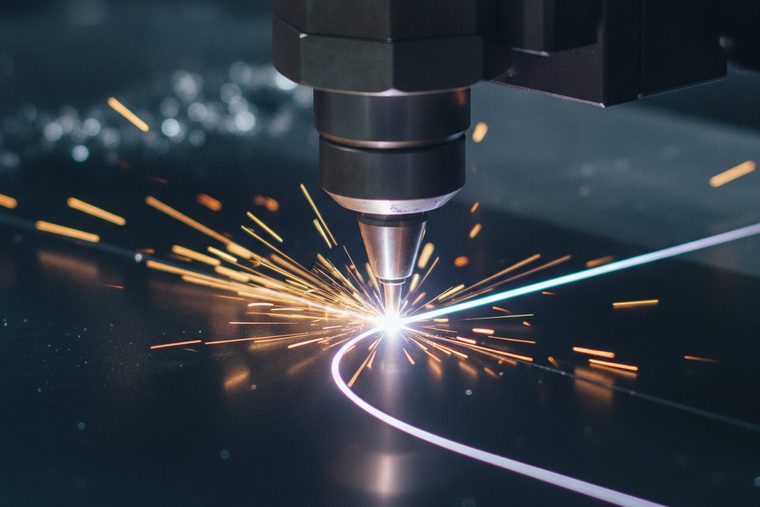
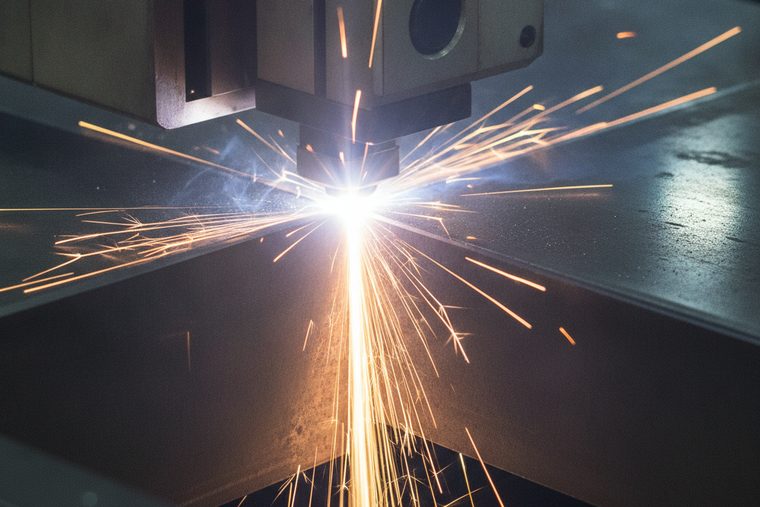
Fiber laser cutting for metal fabrication and production work.
Shop Fiber CuttersCommon metal cutting applications.
Each path answers the next practical question — power, gas, edge quality — and routes into the deeper material page.
Steel Cutting
How laser power, assist gas, and material thickness affect mild-steel cutting.
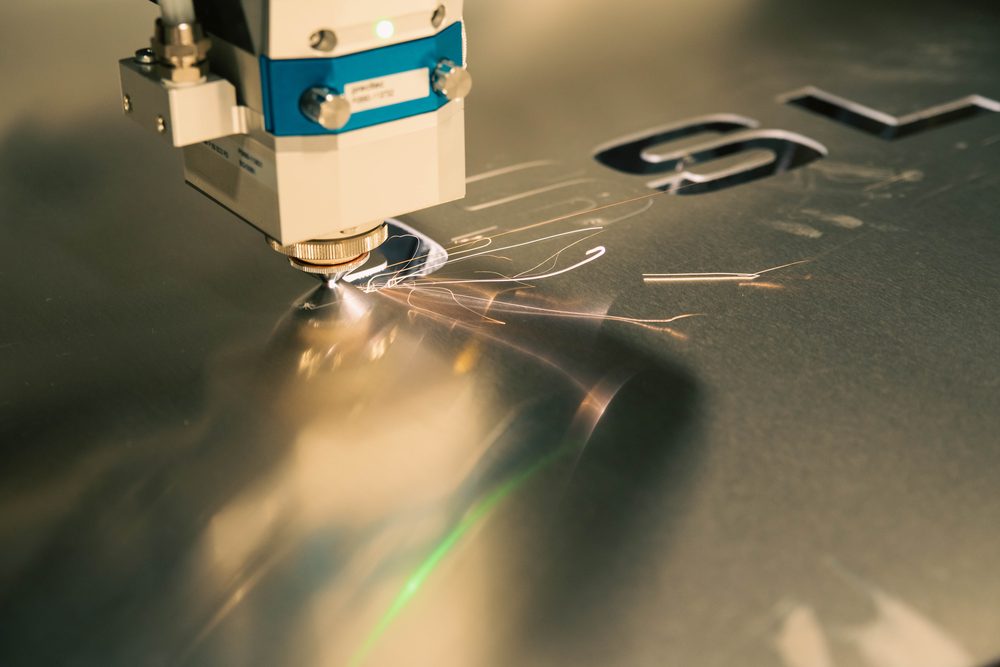
Stainless-Steel Cutting
Nitrogen vs. oxygen cutting, discoloration, and clean-edge expectations.

Sheet Metal Cutting
Gauge ranges, nesting, repeatability, and fabrication workflow considerations.
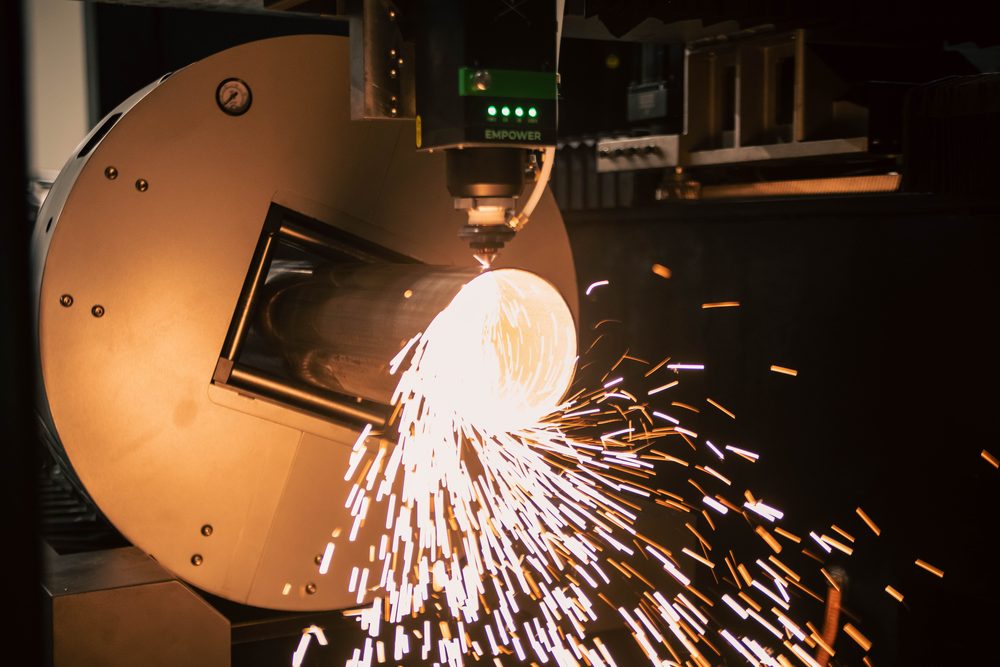
Tube & Pipe Cutting
What changes when cutting round tube, square tube, and profiles instead of flat sheet.

Aluminum Cutting
Reflectivity, alloy differences, surface finish, and cut-quality tradeoffs.
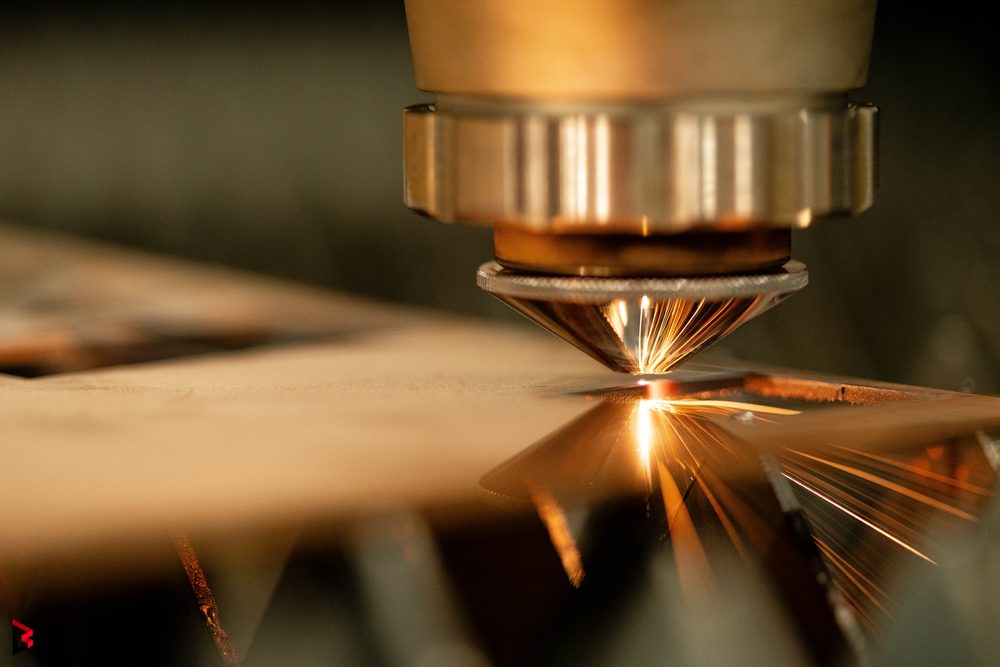
Brass & Copper Cutting
Why reflective metals need careful evaluation, higher power, and application testing.
Most popular fiber cutter starting points.
The starting points shops land on most often once they know roughly how they will run the machine.

FC EcoCUT
A practical entry into fiber metal cutting — open-platform footprint with oversize-material capacity for shops moving into production.
- Good fit for sheet metal & general fabrication
- Handles oversize material
- Routes buyers into the FC fiber family

FC AccuCUT
Enclosed, high-precision cutting accurate to 0.004″ for tight-tolerance parts and repeatable production.
- Best when accuracy is the buying reason
- Fully enclosed Type-1 operation
- Strong for steel, stainless & aluminum

FC+ Elite PipeCUT
Dedicated round and square pipe and tube cutting with a large work envelope for profile-heavy shops.
- Good fit for tube & pipe workflows
- Helpful for mixed flat + profile shops
- Connects to tube/pipe applications
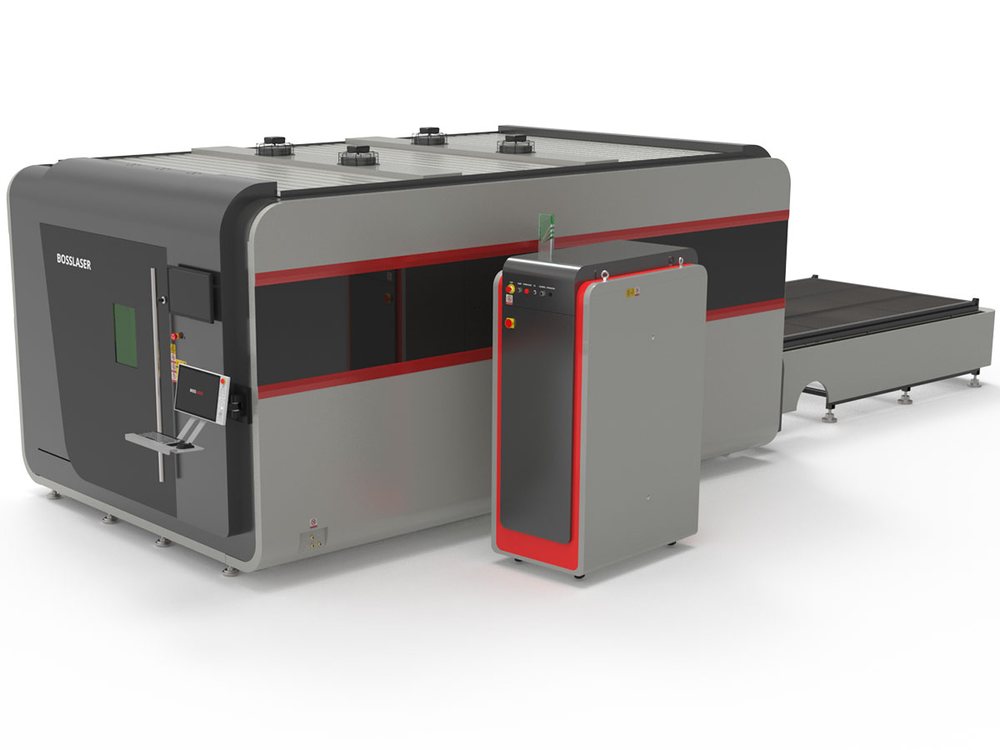
FC-6012 EXT
Fully enclosed flagship with Yaskawa Sigma-7 servos, HIWIN rails, and a 5’×10′ exchange table — pipe-cutter ready.
- Highest power & throughput path
- 5’×10′ exchange table
- Can be fitted with a pipe cutter
How much power do you need?
Estimate the fiber power range to evaluate for your material and thickness.
Choose your power level with the slider. The calculator includes the fiber power levels Boss Laser offers. Steel, stainless, aluminum, and brass are preselected; galvanized steel, copper, and titanium are available as estimates for early planning. Each bar shows the thickest listed material thickness at the selected power level.
Cut Thickness by Power
Steel, stainless steel, aluminum, and brass use Boss Laser data points. Galvanized steel, copper, and titanium are placeholder estimates until replaced with approved Boss Laser data. Pierce thickness always exceeds clean-edge production thickness.
| Material | 1.5kW | 2kW | 3kW | 4kW | 6kW | 8kW |
|---|---|---|---|---|---|---|
| Steel | 1/2″ | 5/8″ | 3/4″ | 7/8″ | 1″ | 1-1/8″ |
| Stainless | 1/4″ | 1/4″ | 3/8″ | 1/2″ | 3/4″ | 7/8″ |
| Aluminum | 5/32″ | 3/16″ | 1/4″ | 5/16″ | 1/2″ | 1″ |
| Brass | 5/32″ | 3/16″ | 1/4″ | 5/16″ | 3/8″ | 1/2″ |
See Our 1.5kW Fiber Cutters
View Industrial Fiber CuttersCommon buyer questions.
Category 01 · FAQ
QCan a CO2 laser cut metal?
Only with the right configuration. A standard CO2 laser is built for non-metals — wood, acrylic, leather, paper, and fabric. To cut metal you generally want a fiber source. Two Boss platforms bridge CO2 and metal:
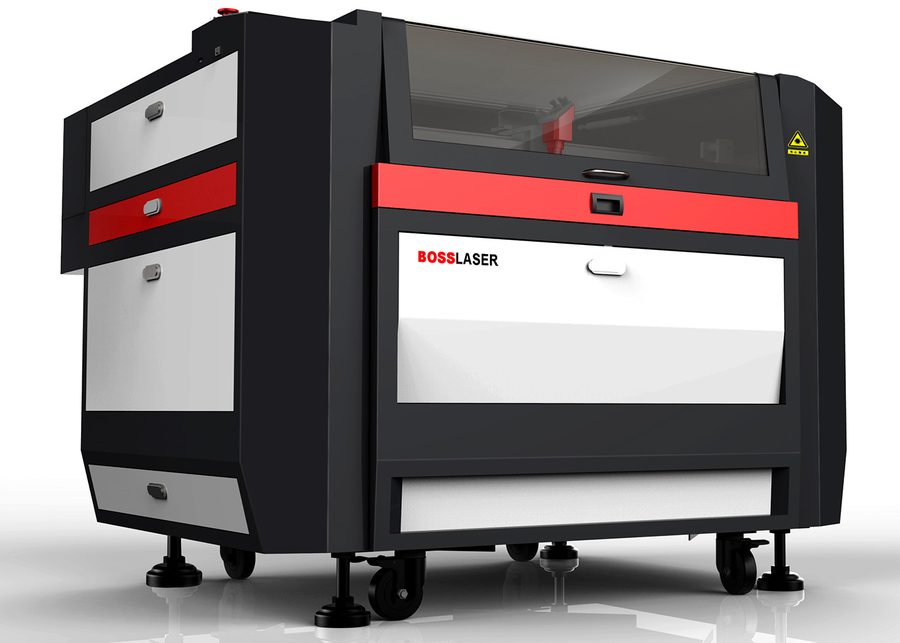
Adds a 150-watt CO2 source plus the ability to cut thin sheet metal up to roughly 18 ga stainless with the right setup.
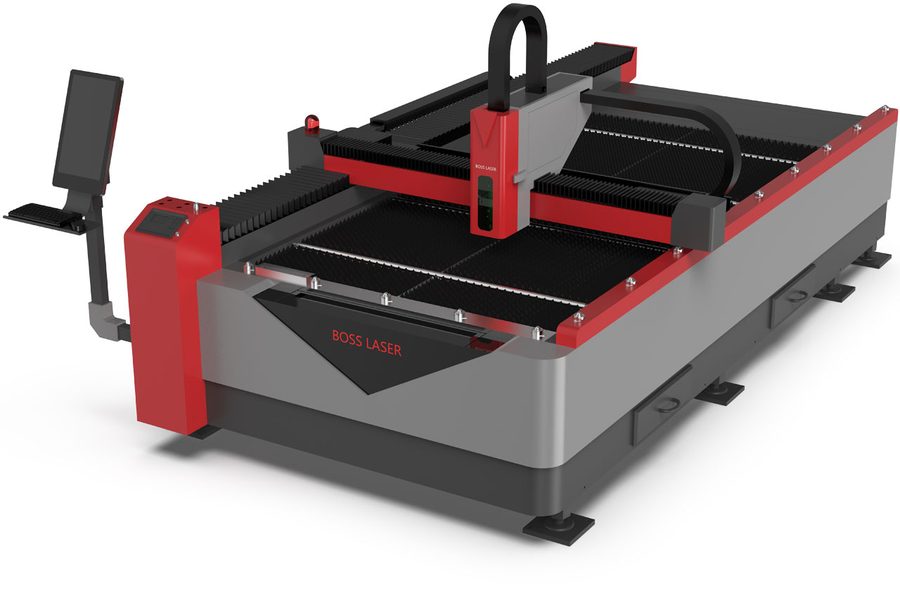
Pairs a 1.5kW fiber source with a CO2 tube in one machine, so you can cut metal and non-metal on the same bed.
QWhat metal thickness can a fiber laser cut?
Power sets the ceiling. Entry 1.5–2kW systems cut up to about 1/2″ steel; mid 3–4kW reach roughly 3/4″–1″; 6kW and up cut thick plate and run thin stock far faster. Use the calculator above to see realistic thickness by power for each material.
QWhich assist gas should I use — oxygen, nitrogen, or air?
Oxygen cuts thick carbon steel fast with an oxide edge; nitrogen gives clean, weld-ready edges on stainless and aluminum at higher gas cost; compressed air is the economical middle for thinner stock. Assist gas changes edge quality and running cost as much as power does.
QHow do I get a clean, oxide-free edge on stainless?
Cut stainless with nitrogen as an inert assist gas to prevent oxidation and keep the edge bright and weld-ready. Dialing in nozzle standoff, gas pressure, and feed rate for the thickness matters as much as raw power.
QDoes higher wattage always mean better cutting?
No. More watts cut thicker stock in one pass and speed up thin material, but they raise upfront cost and facility power demand, and can over-burn thin sheet if parameters aren’t tuned. Match power to your common material, thickness, and weekly volume.
More Metal Cutting FAQs → · How metal cutting actually works →
Still deciding?
Talk to a Boss Laser metal-cutting specialist.
Tell us your materials, thickness, part formats, and weekly volume — we’ll recommend the right fiber platform, power, and assist gas.